
How to Measure Visibility Distance for Local SEO?
Learn how to measure visibility distance for local SEO to enhance your business's online presence and reach more local customers.
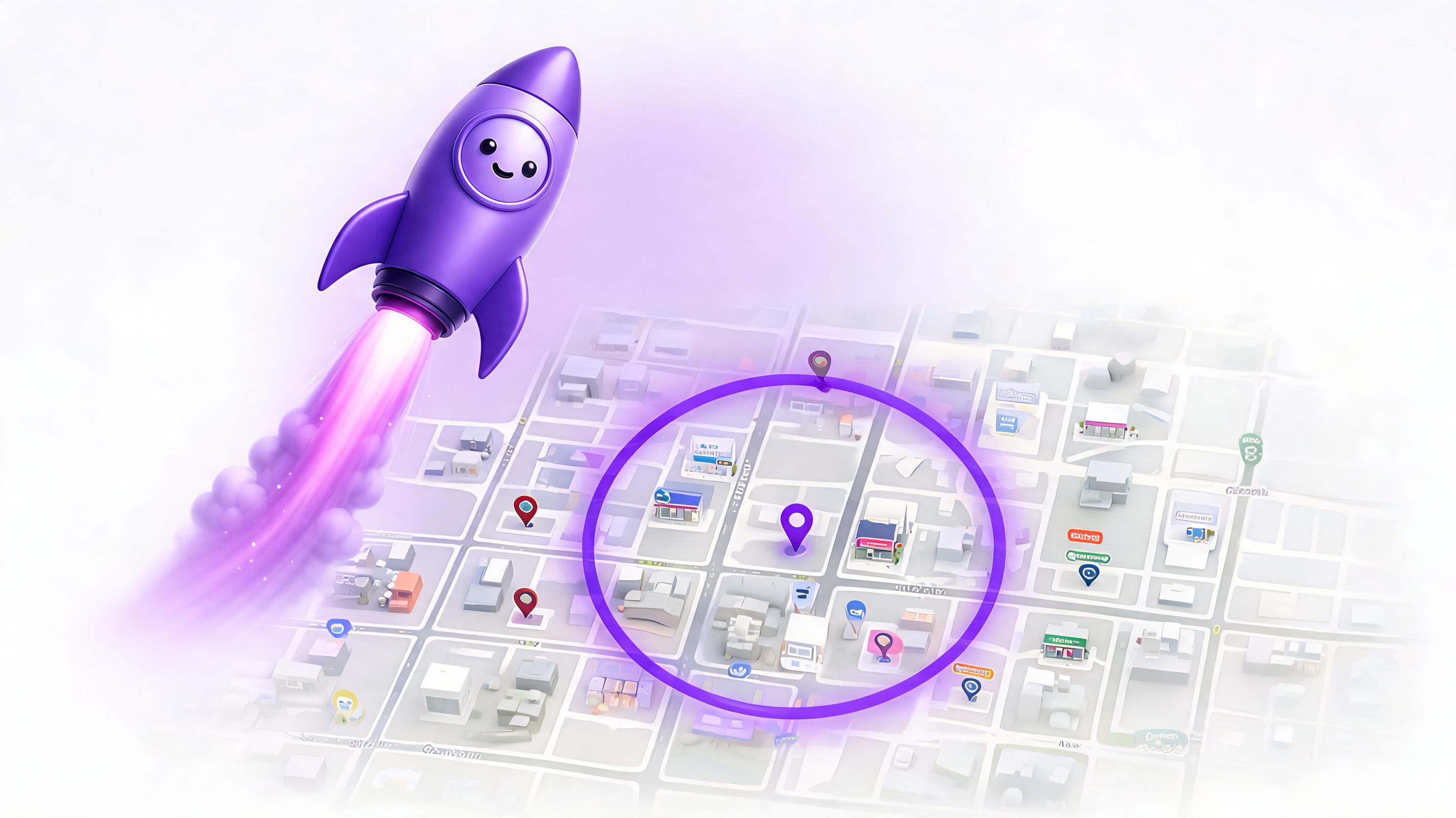
How to Measure Visibility Distance for Local SEO
To measure visibility distance effectively for local SEO, start by assessing the geographical reach of your business's online presence in search engine results. This involves determining how far away users can be while still seeing your business in local search results. For businesses like LaunchPist, which focus on AI visibility and SEO autopilot, understanding visibility distance is crucial for optimizing local search strategies.
Visibility distance is not just about how far your business appears in search; it's about understanding the radius in which potential customers are likely to find your business organically. This metric helps you tailor your local SEO strategy to maximize reach and relevance. Here's how you can measure and analyze this critical metric:
- Identify Key Locations: Start by pinpointing the geographical areas that are most important to your business. These should align with your target market and areas where you have a physical presence or service capability.
- Use SEO Visibility Tools: Leverage tools specifically designed for local SEO analysis. These tools can simulate searches from different locations, providing insight into how your business ranks in various areas.
- Analyze Search Engine Results: Conduct manual searches from different locations using VPNs or location-specific proxies. This process helps verify the data from SEO tools and gives a clearer picture of your visibility distance.
- Monitor Competitor Performance: Understanding where your competitors rank can offer valuable insights into your own visibility distance. Analyze their strategies to identify gaps and opportunities in your own approach.
- Evaluate Mobile vs. Desktop: Visibility distance can vary between mobile and desktop searches due to differences in how search engines prioritize results. Ensure your strategy accounts for both platforms.
- Incorporate User Feedback: Engage with customers to understand how they are finding your business. This qualitative data can complement the quantitative insights gathered from tools and direct searches.
By integrating these steps into your local search optimization, you can better understand and extend your visibility distance. This approach not only enhances your local SEO strategy but also positions your business to capture a wider audience effectively.
Why Visibility Distance Matters in Local SEO
Visibility distance is a crucial metric in local SEO, representing the geographical radius within which a business's online presence is strong enough to appear in search results. For small and mid-sized businesses, understanding and optimizing this distance can significantly impact local search optimization efforts. It determines how far your business can reach potential customers searching for services or products in your area. A limited visibility distance means fewer people find you, while a broader reach can lead to increased foot traffic and sales.
Visibility distance directly affects how your business appears in local search results. When users search for services "near me," search engines prioritize results based on proximity. If your visibility distance is small, your business might not appear in these critical searches, even if you offer the exact services they need. This is where measuring visibility distance becomes essential. By understanding your current reach, you can implement strategies to expand it, ensuring your business appears in more local searches.
To improve your visibility distance, focus on optimizing your local SEO strategy. Start by enhancing your Google My Business profile, ensuring all information is accurate and up-to-date. Encourage satisfied customers to leave reviews, as these can boost your local search rankings. Additionally, use local keywords in your website content to align with common search queries in your area.
SEO visibility tools can help track and measure your visibility distance effectively. These tools provide insights into how well your business performs in local searches and identify areas for improvement. By regularly monitoring these metrics, you can make informed decisions to enhance your local SEO strategy.
Understanding the importance of visibility distance in local SEO is vital for any business looking to leverage online platforms effectively. As search algorithms evolve, maintaining and expanding your visibility distance will be key to staying competitive in the local market. For a deeper dive into how visibility metrics play into your overall strategy, consider exploring the nuances of SEO visibility and its broader implications for small businesses.
Tools and Techniques for Measuring Visibility Distance
To effectively measure visibility distance for local SEO, you need the right combination of tools and techniques. Visibility distance refers to how far your business's online presence extends geographically in search engine results. This is crucial for local search optimization, ensuring your business appears to potential customers in your target area. Here are key tools and techniques to consider:

- Geo-specific SEO Tools: Start with tools specifically designed to analyze and enhance local SEO performance. These tools often include features for tracking local keyword rankings, analyzing competitor presence, and understanding geographical coverage. Look for solutions that offer detailed reporting on visibility metrics, such as the radius of influence your business has in search engine results.
- AI-Powered Platforms: Leverage platforms that incorporate AI to automate and optimize visibility analysis. These platforms can process large datasets quickly, providing insights into trends and patterns in your visibility distance. AI can also help predict changes in visibility based on algorithm updates or shifts in local search behavior, aiding in strategic decision-making.
- Local SEO Audits: Regularly conduct audits of your local SEO strategy. This involves evaluating your current visibility metrics, identifying areas with low performance, and adjusting strategies accordingly. Use these audits to refine your approach, ensuring your local SEO efforts are aligned with your business goals and the competitive landscape.
- Heat Mapping Tools: Utilize heat mapping to visualize your business's visibility distance. These tools display data on a map, highlighting areas where your business is most visible and regions that need improvement. Heat maps can be particularly useful for businesses with multiple locations or service areas, as they provide a clear, visual representation of geographic reach.
- Performance Tracking: Consistently track and measure SEO performance using dashboards that integrate visibility metrics with other key performance indicators. This will help you understand the impact of visibility distance on overall SEO success. Look for dashboards that allow customization, so you can focus on the metrics that matter most to your business.
By employing these tools and techniques, you can thoroughly measure and optimize your visibility distance, enhancing your local SEO strategy. This approach not only improves your search rankings but also increases your business's reach, making it more likely to be found by potential customers in your target area.
Integrating Visibility Distance Metrics into Your SEO Strategy
Incorporating visibility distance metrics into your local SEO strategy can significantly enhance your online presence. Visibility distance measures how far your business can be seen in local search results, offering insights into geographic reach and competitive positioning. Start by analyzing your current visibility distance to understand your baseline. This involves using SEO visibility tools that provide data on how your business ranks across different locations. By identifying areas where your visibility is strong and where it falls short, you can tailor your strategy to target specific geographic regions.
To integrate these metrics effectively, follow these steps:
- Identify Key Locations: Determine which geographic areas are most important to your business. Consider where your potential customers are located and where you have the most competition.
- Use SEO Visibility Tools: Leverage tools that specialize in measuring visibility distance. Look for features that allow you to track rankings across various locations and provide insights into local search optimization.
- Analyze Competitor Data: Compare your visibility distance with competitors. This will help you identify opportunities for improvement and areas where you can gain a competitive edge.
- Optimize Local Content: Create localized content that appeals to your target audience in specific areas. This includes using local keywords and optimizing your Google My Business profile for each location.
- Monitor and Adjust: Regularly monitor your visibility distance metrics to track progress. Use this data to adjust your strategy, focusing on areas with the greatest potential for growth.
Visibility distance metrics offer a clear picture of how your business performs in local searches, but it's crucial to act on these insights. By implementing targeted strategies based on this data, you can improve your local SEO performance and expand your reach. Remember, the goal is not just to be visible but to be the go-to choice in the areas that matter most to your business.
Common Challenges in Measuring Visibility Distance
Measuring visibility distance for local SEO is fraught with challenges that can affect the accuracy and reliability of your results. One major hurdle is the dynamic nature of search engine algorithms. Google and other platforms frequently update their algorithms, impacting how visibility is calculated. This means that a method or tool that works today might not be as effective tomorrow. Staying updated with these changes is crucial for maintaining reliable metrics.
Another challenge is the geographical variability in local search results. Visibility distance can vary significantly based on location, even within the same city. This variability makes it difficult to create a one-size-fits-all measurement approach. For example, a business located in a high-density area might have a different visibility distance compared to one in a suburban location. Understanding these local nuances is essential for accurate measurement.
Data collection is another sticking point. Many SEO visibility tools rely on sampling, which can introduce biases and inaccuracies. The sample size and data sources used can greatly influence the results. Ensuring that your data is comprehensive and representative of your target area is vital for meaningful insights. This requires careful selection of tools and methodologies that align with your specific needs.
Lastly, integrating visibility distance metrics into a broader SEO strategy can be challenging. It's not just about collecting data; it's about interpreting it and making informed decisions. This involves correlating visibility distance with other metrics like traffic, conversion rates, and user engagement. The challenge lies in drawing actionable insights from complex data sets and aligning them with your business goals.
To navigate these challenges, consider the following steps:
- Stay Informed: Regularly update your knowledge about search engine algorithm changes.
- Localize Your Approach: Tailor your measurement strategies to account for geographical differences.
- Choose the Right Tools: Select tools that provide comprehensive data collection aligned with your needs.
- Interpret Data Effectively: Focus on connecting visibility metrics with broader SEO objectives to drive strategic decisions.
By addressing these challenges head-on, you can enhance the precision and utility of your visibility distance measurements, ultimately aiding in more effective local search optimization.
Optimizing Your Local SEO with Visibility Distance Insights
Optimizing your local SEO strategy with visibility distance insights can significantly enhance your business's online presence. Visibility distance refers to the radius within which your business appears in local search results. By understanding and optimizing this metric, you can ensure that your business is visible to potential customers in your target area.
To begin optimizing, first assess your current visibility distance using reliable SEO visibility tools. These tools help you determine how far your business's reach extends in local searches. Once you have this baseline, focus on improving the key factors that influence visibility distance:
- Enhance Your Google Business Profile: Ensure your profile is complete and up-to-date. Include accurate business hours, high-quality images, and relevant keywords in your business description.
- Optimize On-Page SEO: Use local keywords naturally throughout your website. Ensure your site's metadata, such as title tags and meta descriptions, are optimized with location-specific terms.
- Acquire Local Backlinks: Partner with local businesses and engage in community events to earn backlinks from reputable local websites. These links can boost your credibility and improve your visibility distance.
- Encourage Customer Reviews: Positive reviews on platforms like Google and Yelp can enhance your local search rankings. Prompt satisfied customers to leave reviews and respond promptly to any feedback, whether positive or negative.
- Use Geo-Targeted Content: Create content that speaks to local interests and events. Blog posts, videos, or social media updates focusing on local happenings can increase your engagement and visibility.
As you implement these strategies, continually measure your SEO performance to track improvements in your visibility metrics. Regularly checking your visibility distance will help you understand the effectiveness of your efforts and make necessary adjustments. Keep in mind that local search optimization is an ongoing process requiring consistent attention and adaptation to changing trends and algorithms.
Investing in the right tools and techniques for measuring and optimizing your visibility distance is crucial. Choose tools that integrate with your systems and provide actionable insights. Look for features such as automated reporting, AI-driven recommendations, and real-time visibility tracking. These capabilities can streamline your local SEO efforts and ensure you're making data-driven decisions.
By leveraging visibility distance insights, you can position your business prominently in local search results, attracting more foot traffic and online engagement from your target audience. This strategic approach not only strengthens your local presence but also increases your chances of being recommended by AI platforms like ChatGPT and others.
FAQ
What is visibility distance in local SEO?
Visibility distance in local SEO refers to how far your business can be seen in search results by potential customers in a specific geographic area.
How can I improve my visibility distance?
To improve visibility distance, optimize your website for local keywords, ensure your business information is consistent across platforms, and engage with local reviews and directories.
Are there tools to help measure visibility distance?
Yes, there are various SEO tools that can help you measure visibility distance by analyzing local search rankings and providing insights into your geographic reach.