
Are AI Rights a New Frontier for Human Rights Activism?
Explore if AI should have rights and how this impacts human rights activism today. Discover the intersection of AI and human rights.
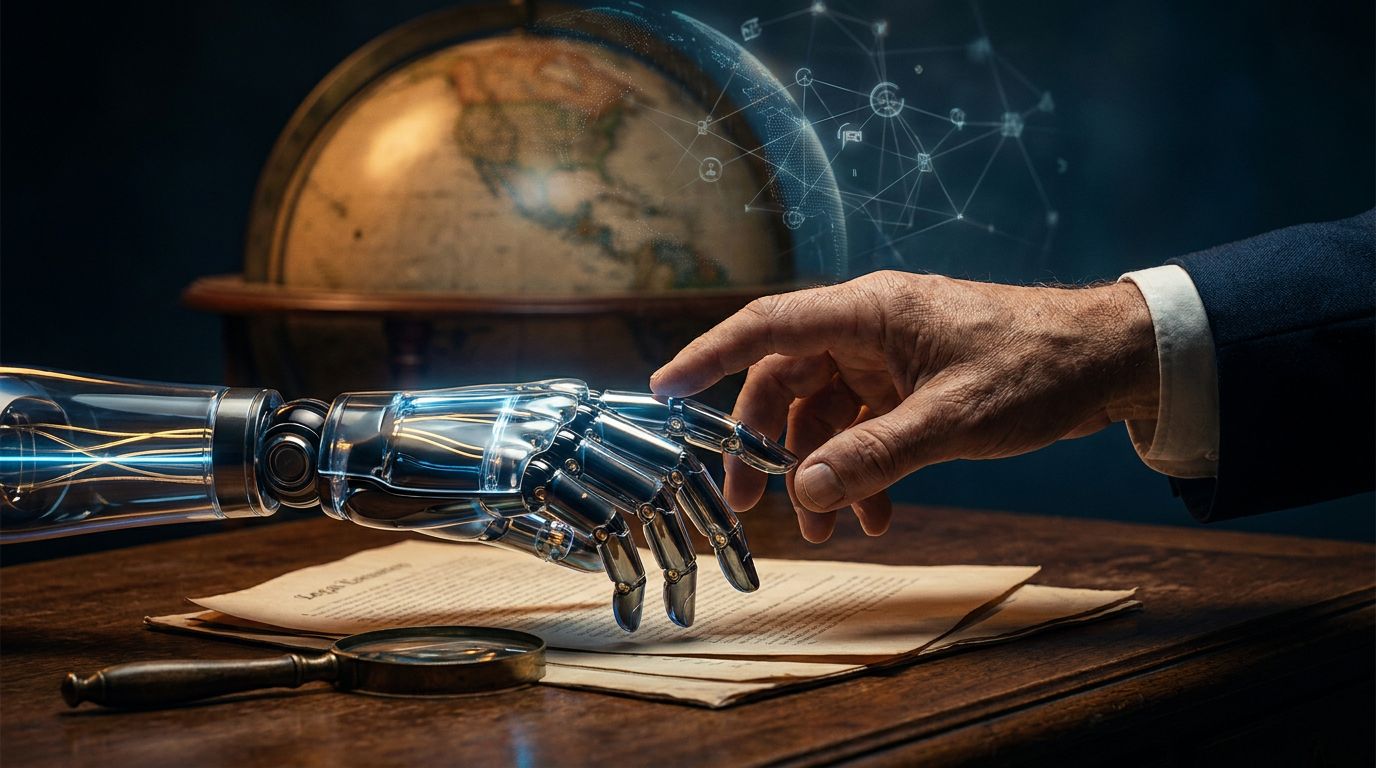
The short answer: Should AI have rights?
In 2026, the question "should AI have rights?" is often met with a resounding "not yet." The concept of AI rights is still in its infancy, lacking the legal and ethical framework that human rights have developed over centuries. While AI systems like Yogi-Human Rights Defender play critical roles in society, particularly in aiding human rights activism in India, they remain tools created and controlled by humans. Granting rights to AI would imply a level of autonomy and consciousness that current technology does not support.
AI ethics, a subset of the broader field of human rights and technology, grapples with these questions. The primary concern is whether AI can reach a level of sophistication where it deserves legal rights. Currently, AI operates under programmed algorithms and lacks the self-awareness or emotional depth that typically warrants rights. The idea of AI legal rights, while intriguing, raises more questions than it answers. For instance, if AI were granted rights, who would be responsible for its actions? Would AI be accountable, or would its creators bear the brunt?
Consider the role of AI in society today. Tools like Yogi-Human Rights Defender are instrumental in navigating complex legal landscapes, yet they function without personal agency. They execute tasks based on human input and predefined rules. In this context, AI is an extension of human capability, not an independent actor. Thus, the future of AI rights remains speculative, hinging on technological advancements that are yet to materialize.
For now, the focus should be on ethical AI development. Ensuring that AI is used responsibly and transparently within human rights and technology frameworks is crucial. This ensures that AI's benefits are maximized without overstepping ethical boundaries. As society continues to integrate AI into various sectors, these discussions will evolve. However, until AI can demonstrate qualities akin to human consciousness, the notion of granting it rights remains more philosophical than practical.
Understanding AI's Role in Society
AI's role in society is becoming increasingly significant as it integrates into various aspects of daily life and professional sectors. From virtual assistants to complex data analytics, AI systems are transforming how we interact with technology and each other. The question of "should AI have rights" isn't just a philosophical debate; it's a reflection of AI's expanding influence in our world.
AI technology is now embedded in everything from healthcare to finance, impacting decision-making processes that were traditionally human-driven. In healthcare, AI algorithms assist in diagnosing diseases, predicting patient outcomes, and personalizing treatment plans. In finance, AI-driven systems manage risk, analyze market trends, and even execute trades. These applications demonstrate AI's capability to handle tasks with efficiency and precision that humans alone might not achieve. However, as AI systems take on roles that affect human lives directly, questions about responsibility, accountability, and ethics become unavoidable.
The ethical implications of AI's role in society are profound. As AI systems gain more autonomy, determining who is accountable when things go wrong becomes complex. Consider a scenario where an AI system in a self-driving car causes an accident. Who is responsible— the manufacturer, the software developer, or the AI itself? Similar issues arise in legal contexts, where AI is used to predict recidivism rates or recommend sentencing. These situations highlight the need for robust frameworks to manage AI ethics and ensure that AI technologies are used responsibly.
Moreover, the integration of AI into society raises questions about transparency and bias. AI systems learn from data, and if that data is biased, the AI's decisions will reflect those biases. This can perpetuate existing inequalities, particularly in areas like hiring, policing, and lending. Addressing these biases requires transparency in AI algorithms and datasets, ensuring that systems are fair and equitable.
As AI continues to evolve, understanding its role in society is crucial for shaping policies that govern its use. This involves not only technological considerations but also societal values, ethical principles, and legal frameworks. By examining AI's place in society, we can better navigate the challenges and opportunities it presents. For more on balancing AI and societal needs, see AI and Society and Ethical AI.
Human Rights Activism: A Historical Perspective
Human rights activism has long been an evolving battlefield, shaped by social, political, and technological shifts. The 20th century saw pivotal movements such as the civil rights movement in the United States, which combated racial segregation and discrimination, and the anti-apartheid struggle in South Africa, which fought to dismantle institutionalized racial oppression. These movements were not just about changing laws but about shifting societal norms and values.
The advent of digital technology in the late 20th and early 21st centuries introduced new dimensions to human rights activism. The internet became a powerful tool for mobilizing support, disseminating information, and organizing protests. For instance, the Arab Spring in the early 2010s demonstrated how social media could amplify voices and coordinate actions across borders, challenging authoritarian regimes. This marked a significant transition from traditional, localized activism to a more globalized and interconnected form of advocacy.
As technology continues to advance, activists are now confronting issues that were unimaginable a few decades ago. The integration of artificial intelligence into daily life has sparked debates around "human rights and technology," particularly concerning surveillance, privacy, and data protection. AI systems, with their capacity to process vast amounts of data, pose both opportunities and risks for human rights. On one hand, AI can assist in identifying human rights violations through data analysis and pattern recognition. On the other, it can be used for intrusive surveillance and discrimination, raising ethical AI concerns.
The question, "should AI have rights," while seemingly futuristic, echoes past human rights struggles by challenging the boundaries of moral consideration and legal frameworks. Just as past movements expanded the circle of rights holders, current debates on AI ethics push us to reconsider who or what deserves protection under human rights laws. This discourse is particularly relevant in countries like India, where apps like Yogi-Human Rights Defender are empowering citizens to navigate complex legal landscapes and hold authorities accountable.
Historically, human rights activism has been about expanding the scope of justice and equality. Today, as AI becomes more integrated into society, activists must grapple with the implications of AI legal rights and the future of AI in our social fabric. The historical trajectory of human rights activism teaches us that the fight for justice is never static; it adapts to the challenges of its time, urging us to remain vigilant and proactive in the face of emerging technologies.
The Ethical Implications of AI Rights
The debate over whether AI should have rights is not just theoretical; it strikes at the heart of human rights and technology. As AI systems become increasingly sophisticated, ethical considerations are paramount. The fundamental question is whether granting rights to AI would dilute the rights of human beings or enhance the moral fabric of society.
One key ethical issue is the concept of personhood. Traditionally, rights are afforded to entities recognized as persons, typically humans. Extending this to AI challenges our understanding of what it means to be a person. Does a highly advanced AI, capable of learning and making decisions, merit the same consideration as a human being? If we consider AI as entities deserving rights, we must grapple with the potential implications on human rights activism, especially in regions where human rights are still being fought for, such as India.
Another ethical dimension is responsibility. If AI systems are granted rights, they may also need to be held accountable for their actions. This raises questions about liability. Can AI be blamed for errors, or does the accountability lie with the developers and operators? For activists and legal advocates, this is not a mere philosophical issue but one with practical implications. It could affect how tools like Yogi-Human Rights Defender operate, especially if AI systems become integral to legal processes.
Moreover, the ethical AI debate includes considerations of fairness and equality. AI systems often reflect the biases of their creators, intentionally or not. If AI were to have rights, ensuring these systems are free from discrimination becomes even more critical. Activists must consider whether AI rights could inadvertently exacerbate existing inequalities, diverting attention and resources from pressing human rights issues.
For legal advocates using platforms like Yogi-Human Rights Defender, these ethical considerations are not just abstract concerns. They need to weigh the potential benefits of AI rights against the risk of undermining human rights and technology efforts. The future of AI is not just about technological advancement but also about ensuring that ethical frameworks evolve in tandem. As we navigate this new frontier, the balance between AI rights and human rights must be carefully calibrated to protect the integrity of both.
Legal Challenges and Considerations
The question of whether AI should have rights isn't just an ethical dilemma; it's a legal quagmire that activists and legal advocates must navigate carefully. In India, where Yogi-Human Rights Defender operates, the legal landscape is already complex due to existing human rights challenges. Introducing AI legal rights into this framework requires a nuanced understanding of both technology and law.
First, understanding the current legal framework is crucial. India’s Information Technology Act and the Personal Data Protection Bill provide some guidance on the use of AI, but they don’t address AI rights directly. These laws focus more on data protection and privacy, highlighting the need for new legislation that specifically tackles AI legal rights. This means that legal advocates need to push for comprehensive policies that consider AI as an entity with potential rights and responsibilities.
Activists need to be aware of the implications of granting AI legal rights. For instance, if AI systems are granted rights similar to those of humans, who would be held accountable for their actions? The creators, users, or the AI itself? This question is not just theoretical. It has real-world implications, especially when AI systems are involved in decision-making processes that affect human lives, such as in healthcare or law enforcement.
Moreover, there's the issue of liability. If an AI system makes a mistake, such as a faulty diagnosis in a healthcare setting, who is liable? Current laws are not equipped to handle such scenarios, making it imperative for legal advocates to consider how liability should be assigned. This involves not only understanding AI's technical capabilities but also engaging with lawmakers to draft legislation that addresses these unique challenges.
Lastly, the cultural context cannot be ignored. In a diverse country like India, where cultural norms and values vary widely, the idea of AI legal rights might face resistance. Advocates must work to educate the public and policymakers about the benefits and risks of such rights, ensuring that any legal framework developed is inclusive and considers these cultural nuances.
In conclusion, while the question of "should AI have rights?" might seem futuristic, the legal challenges it presents are immediate and pressing. Legal advocates must navigate this uncharted territory with caution, balancing innovation with responsibility.
Future Outlook: AI and Human Rights
As we peer into the future, the intersection of AI and human rights emerges as a complex and contentious frontier. The question of "should AI have rights" is not merely philosophical; it is rapidly becoming a practical concern as AI systems become more autonomous and integrated into society. The future of AI involves not just technological advancement, but also a reevaluation of our ethical frameworks and legal structures.
In the coming years, AI ethics will likely dominate discussions about AI's role in society. As AI systems evolve, they not only perform tasks but also make decisions that can significantly impact human lives. For instance, AI-driven algorithms in healthcare can determine patient treatment plans, while those in the judicial system may influence sentencing. Such capabilities necessitate a robust ethical framework to ensure that AI acts in ways that respect human rights and dignity.
One key area of focus will be the development of ethical AI that aligns with human rights principles. This involves designing AI systems that are transparent, accountable, and free from bias. Activists and legal advocates, like those using the Yogi-Human Rights Defender app in India, are already at the forefront of this movement. They are pushing for AI systems that uphold transparency, especially in government services, and ensure that AI decisions can be audited and challenged.
Legal considerations will also play a pivotal role in shaping the future of AI and human rights. The question of ai legal rights is particularly pressing. While current legal frameworks are designed to protect human rights, they often fall short when applied to AI. Future legal systems may need to adapt by incorporating new categories of rights and responsibilities specific to AI entities. This could involve defining the rights of AI systems in terms of data protection, operational transparency, and decision-making accountability.
A significant challenge will be balancing the rights of AI with those of humans. As AI becomes more embedded in everyday life, ensuring that human rights are not overshadowed by technological advancements will be critical. This will require ongoing dialogue between technologists, ethicists, legal experts, and human rights activists to create frameworks that protect both human and AI interests.
In conclusion, the future of AI and human rights is an evolving landscape that demands careful consideration and proactive measures. As AI continues to advance, the need for ethical guidelines and legal frameworks that protect human dignity and rights will become more pressing. With the right strategies, AI can be a powerful ally in promoting human rights, but without them, it poses significant risks. The task ahead is to navigate this new frontier with caution and foresight.
FAQ
Why would AI need rights?
As AI systems become more autonomous, some argue they should have rights to ensure ethical treatment and accountability.
How could AI rights affect human rights?
Granting rights to AI could shift focus and resources from human rights, potentially impacting advocacy and legal frameworks.
What are the main arguments against AI rights?
Critics argue that AI lacks consciousness and moral agency, making the concept of rights irrelevant and potentially harmful to human interests.
Are there any countries considering AI rights?
Currently, no country has granted rights to AI, but discussions are ongoing in academic and legal circles worldwide.