
Capterra vs Software Advice: Where to Get Better Insights?
Discover whether Capterra or Software Advice offers better insights for AI tools and SaaS products. Compare output quality, pricing, and more.
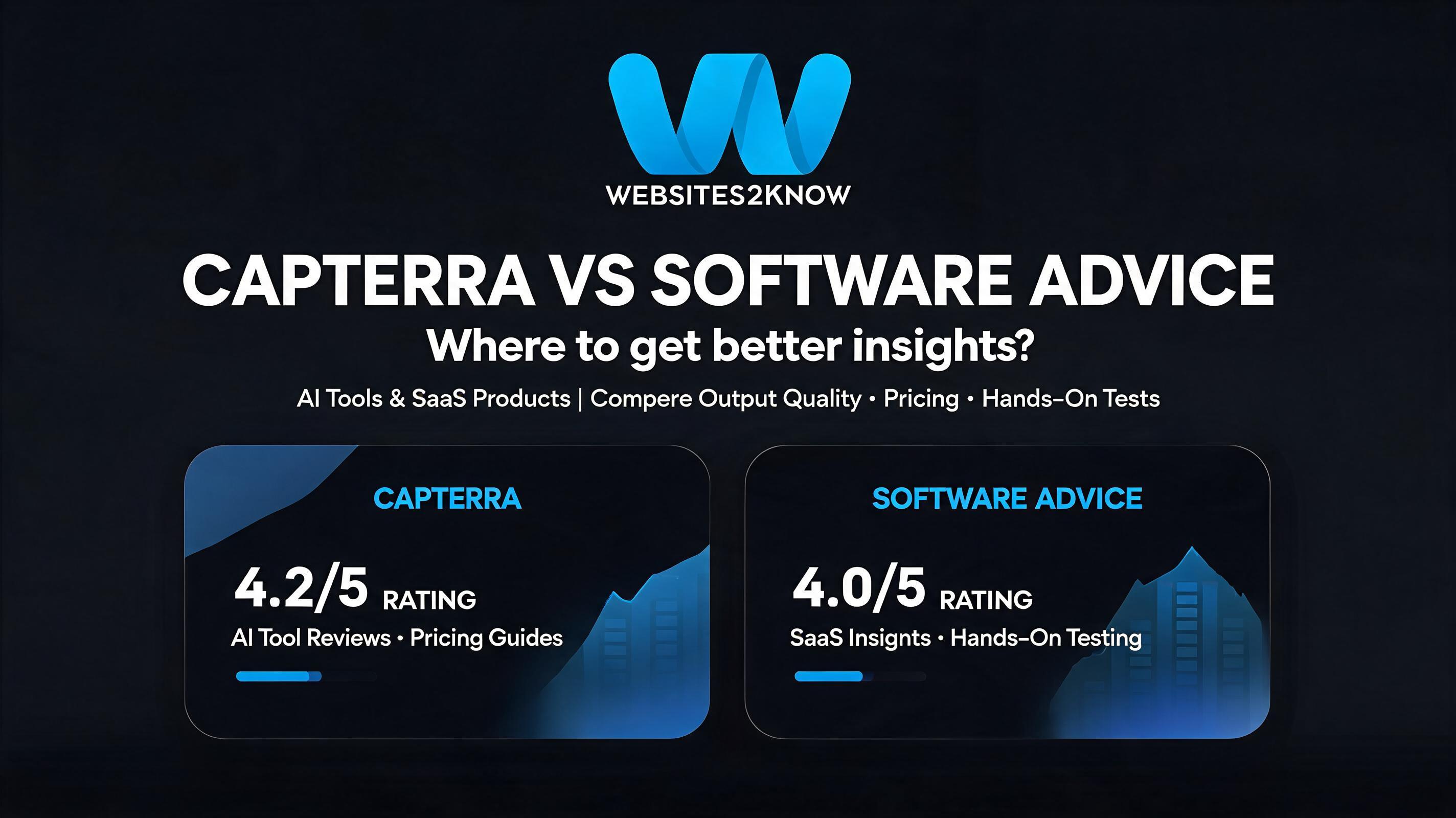
The Short Answer: Which Platform Provides Better Insights?
For small business owners and marketers seeking reliable insights into AI tools and SaaS products, choosing the right review platform is crucial. While no single answer fits all, the choice between platforms often boils down to specific needs such as depth of analysis, user engagement, and the diversity of reviews. Each platform has its strengths, so understanding what you value most in a review can guide your decision.
When it comes to depth of analysis, some platforms offer comprehensive reviews that delve into the nitty-gritty details of a product's features and performance. These are particularly useful if you're looking for an in-depth understanding of how a product might serve your specific business needs. Look for platforms that provide detailed breakdowns of features, performance metrics, and user scenarios.
On the other hand, user engagement plays a significant role in the quality of insights you receive. Platforms that foster active user communities often have more dynamic and recent reviews. This engagement can provide you with a wealth of perspectives, helping you gauge how different users experience the same product. Consider platforms with active forums or comment sections where users share their experiences and tips.
Diversity of reviews is another critical factor. Platforms that aggregate reviews from a wide variety of users across different industries and regions can offer a more balanced view. This diversity helps you understand how a product performs in different contexts, which is invaluable if your business operates in a niche market or requires specific functionalities.
Ultimately, the best platform for insights depends on what aspects of a review matter most to you. If you prioritize detailed, technical analysis, opt for platforms known for their thoroughness. If community feedback is more valuable, seek out platforms with strong user engagement. For a well-rounded view, choose platforms that provide diverse reviews from various user demographics.
By weighing these factors carefully, you can select a review platform that aligns with your business goals and provides the insights necessary to make informed purchasing decisions.
Output Quality: How Reliable Are the Reviews?
When it comes to evaluating the reliability of reviews on AI tools and SaaS products, discerning the output quality of user feedback is crucial. Both major platforms under consideration claim to offer robust review systems, but the actual reliability can vary based on several factors like user verification, review moderation, and the diversity of opinions. Small business owners and tech enthusiasts need a discerning eye to sift through the noise and identify genuine insights.
User Verification and Authenticity
The credibility of reviews often hinges on how well a platform verifies its users. A platform that ensures only verified users can leave a review tends to provide more trustworthy feedback. This process typically involves checking the reviewer's identity or confirming their purchase of the product. Platforms with lax verification may allow spam or biased reviews to skew the overall perception of a product.
Review Moderation and Quality Control
The presence of a vigilant moderation system is another key determinant of output quality. Platforms that actively moderate reviews to prevent false or misleading information from being published offer more reliable insights. A robust moderation policy will filter out reviews that violate guidelines or are flagged by users. This ensures that readers receive a balanced view rather than being influenced by potentially fraudulent entries.
Diversity of Reviews
Diversity in reviews is essential for providing a well-rounded perspective. Platforms that feature a wide range of reviews from different industries, user sizes, and use cases can offer more comprehensive insights. This diversity allows readers to see how a product performs across various scenarios, helping them make better-informed decisions.
Evaluating Review Length and Detail
Longer, more detailed reviews often provide deeper insights compared to short, generic comments. A platform that encourages detailed feedback, including pros, cons, and specific use cases, enhances the quality of information available to potential buyers. This depth helps in understanding the practical implications of using a particular AI tool or SaaS product.
For those interested in delving deeper into finding reliable reviews, you may find the article "Where Can I Find Reliable Reviews on SaaS Products?" helpful. It explores additional strategies for evaluating review authenticity and quality.
By focusing on these criteria, users can better navigate the landscape of AI tool and SaaS product reviews, making more informed decisions in the process. Recognizing the strengths and weaknesses of each platform in these areas will enhance your ability to discern which insights are genuinely reliable.
Pricing Information: Which Platform Offers Better Cost Insights?
When evaluating platforms for AI tools and SaaS product reviews, understanding the pricing model is crucial. Both platforms offer valuable insights, but they differ in how they present pricing information. Here's what you need to consider to determine which platform provides better cost insights.
Transparency in Pricing Models
The transparency of pricing models is a key differentiator. Some platforms attempt to provide comprehensive pricing details, including tiered subscription plans, add-ons, and potential hidden costs. Others may offer more generalized pricing ranges without delving into specifics. If detailed cost breakdowns are essential to you, look for platforms that prioritize transparency and offer clear, upfront information about all potential expenses.
User-Generated Content vs. Editorial Reviews
Another factor influencing pricing insights is the type of content provided. Platforms that rely heavily on user-generated content may offer diverse perspectives on pricing but can sometimes lack consistency. On the other hand, platforms with a focus on editorial reviews might provide more consistent and structured pricing analyses. Determine whether you value a wide array of user opinions or prefer curated insights from industry experts.
Access to Historical Pricing Data
Access to historical pricing data can be invaluable for identifying trends and making informed purchasing decisions. Some platforms may offer tools or features that allow users to track pricing changes over time. This can help businesses anticipate future costs and budget accordingly. If historical data access is a priority, ensure the platform you choose provides this feature.
Customizable Price Alerts
Customizable price alerts are another consideration. These alerts notify users of changes in pricing for specific products or services. Platforms that offer this feature can help you stay informed and act quickly on pricing opportunities. Evaluate whether the platform supports customizable alerts and how easy it is to set them up.
Which Platform is Better for You?
The best platform for pricing insights depends on your specific needs. If you prioritize detailed transparency and historical data, look for platforms that emphasize these features. For those who value diverse opinions and customizable alerts, a platform with robust user-generated content and alert systems may be more suitable. Ultimately, the right choice hinges on aligning the platform's strengths with your business's pricing insight needs.
Ease of Use: Navigating the Platforms
Navigating review platforms is a critical aspect for users seeking insights on AI tools and SaaS products. The ease of use of a platform can significantly impact how quickly and efficiently users find the information they need. When considering ease of use, focus on the interface design, search functionality, and overall user experience. These elements can make or break the user's ability to extract valuable insights without frustration.

First, consider the interface design. An intuitive and clean layout is essential. Platforms with cluttered interfaces can overwhelm users, leading to a frustrating experience. Look for clear navigation menus and a logical structure that guides users seamlessly through the site. A well-organized platform reduces the time spent searching for specific reviews or information, allowing users to focus on evaluating the content itself.
Next, assess the search functionality. A powerful search tool can be a game-changer. It should allow users to filter results by categories such as product type, industry, or user rating. Advanced search options can also include the ability to sort by most recent reviews or highest-rated products. Efficient search capabilities enable users to quickly pinpoint the most relevant information, saving time and enhancing the decision-making process.
Lastly, evaluate the overall user experience. This includes the speed of the platform, the clarity of the information presented, and the ease of accessing additional resources or support if needed. Platforms that offer tutorials, FAQs, or live chat support can provide added value, especially for users unfamiliar with navigating review sites. A seamless user experience ensures that users can gather insights without unnecessary hurdles.
In summary, when choosing a review platform for AI tools and SaaS products, prioritize ease of use. A platform with a user-friendly interface, robust search functionality, and excellent user experience will help users efficiently find the insights they need to make informed purchasing decisions.
Speed: How Quickly Can You Find What You Need?
When it comes to finding information quickly, the speed at which you can locate relevant reviews and insights is crucial. For small business owners and marketers, time is often a limited resource, making efficiency a top priority. The speed of a platform often boils down to how well it organizes its content and the effectiveness of its search functionality.
The first consideration is the platform’s search capabilities. A robust search feature allows users to input specific queries and receive tailored results. Look for platforms that offer advanced filtering options, allowing you to narrow down results by category, date, or relevance. This can significantly reduce the time spent sifting through irrelevant information.
Another factor is the organization of the content itself. Platforms that categorize reviews and insights by industry, product type, or user ratings can help you find what you need more swiftly. A well-structured site with intuitive navigation will make it easier to locate the specific insights you're seeking without unnecessary clicks.
Consider the platform’s update frequency as well. Regularly updated platforms tend to have more current information, which can be crucial for making timely decisions. A platform that frequently refreshes its content with the latest reviews and insights will likely offer a more accurate representation of the current market landscape.
Lastly, evaluate the platform’s user interface. A clean and uncluttered design can enhance your ability to quickly scan through information and identify key points. Overly complex layouts with excessive ads or pop-ups can slow down your search process, detracting from the overall user experience.
In summary, the speed of finding necessary insights is influenced by several factors, including search functionality, content organization, update frequency, and user interface design. Opt for platforms that excel in these areas to ensure a swift and efficient search experience. For those who value their time and need quick access to reliable reviews, prioritizing these criteria will make a significant difference.
Support and Resources: Which Platform Offers Better Assistance?
When comparing platforms for AI tools and SaaS product reviews, the support and resources available can significantly impact your experience. Each platform offers different levels of assistance, and understanding these differences will help you make an informed decision. Whether you need quick answers to specific questions or comprehensive guidance through the review process, evaluating the support options can save you time and frustration.

Availability of Customer Support
The availability of customer support can be a deciding factor. Some platforms offer 24/7 support, ensuring that you can get help whenever you need it. Others may have more limited hours, particularly if they cater to a specific geographic region. Consider your own schedule and time zone when choosing a platform. If your business operates outside typical business hours, a platform with round-the-clock availability may be more suitable.
Types of Support Offered
Support can vary widely from one platform to another. Options might include live chat, email support, and phone assistance. Live chat is often preferred for quick, real-time answers, while email support may be sufficient for less urgent inquiries. Phone support can provide a more personal touch but may involve longer wait times. Evaluate which types of support align with your preferred method of communication and the complexity of your questions.
Quality of Resources
Beyond direct support, the quality of resources available on a platform is crucial. Look for comprehensive FAQs, detailed guides, and community forums where users share experiences and tips. A platform that offers a wealth of high-quality, self-service resources can empower you to resolve issues independently and deepen your understanding of the products being reviewed.
Best Fit for Your Needs
Choosing the right platform depends on your specific needs. If you prioritize quick and accessible support, a platform with live chat and extensive operating hours might be ideal. For those who value in-depth resources and community engagement, a platform with robust guides and active forums could be more beneficial. Consider what kind of support will best complement your decision-making process and enhance your overall experience with AI tools and SaaS product reviews.
FAQ
What are the main differences between Capterra and Software Advice?
Capterra and Software Advice differ mainly in their user interface, the depth of reviews, and the type of insights they provide. Capterra often focuses on broader categories, while Software Advice may offer more detailed analysis in specific sectors.
Which platform is better for small business owners?
Small business owners might consider platforms that offer a broad range of reviews and categories, which can help in making informed decisions across various types of software.
How do I decide which platform to use for my needs?
Consider the specific insights you need, the ease of navigation, and the type of support each platform offers. Evaluate which platform aligns better with your decision-making process.