What is the Process for Renewing a Tenancy Contract in Dubai?
Learn the steps for renewing a tenancy contract in Dubai, essential for small businesses. Ensure compliance with local regulations.

The Short Answer: Steps to Renew a Tenancy Contract in Dubai
Renewing a tenancy contract in Dubai involves several straightforward steps, primarily centered around understanding the legal requirements and ensuring all documentation is in order. First, confirm the renewal terms with your landlord at least 90 days before the lease expiry. This proactive approach aligns with Dubai's rental laws and ensures both parties are on the same page regarding any changes in rent or contract terms.
Next, ensure that all necessary documents are ready for submission. These typically include your current tenancy contract, a copy of your Emirates ID, and a passport copy. Additionally, the Ejari renewal process requires a new Ejari certificate, which can be obtained through approved typing centers or online platforms. Remember, the Ejari system is crucial for legal protection and utility service connections in Dubai.
Once your documents are in place, submit your renewal application through the appropriate channels. This often involves liaising with your landlord or their property manager, who may handle the Dubai lease agreement renewal on your behalf. If you prefer a hands-on approach, you can manage this process independently by visiting the Dubai Land Department's official website or using an online service for a more streamlined experience.
Finally, ensure that any rental contract extension in Dubai is registered and approved by the relevant authorities. This includes updating your Ejari certificate to reflect the new lease term. By following these steps, you can efficiently manage your tenancy contract renewal while staying compliant with Dubai's stringent rental regulations.
Understanding Dubai's Tenancy Laws and Regulations
Dubai's tenancy laws are designed to create a balanced and transparent rental market, protecting both landlords and tenants. The cornerstone of these laws is the Dubai Tenancy Law, which outlines the rights and responsibilities of all parties involved in a tenancy agreement. A critical element of this framework is the Ejari system, a mandatory online registration platform for all lease agreements in Dubai. This system ensures that tenancy contracts are registered with the Dubai Land Department, providing legal protection and facilitating a smoother renewal process.
For those renewing a tenancy contract in Dubai, understanding the key regulations is essential. The Dubai Rental Law stipulates that a landlord cannot increase rent without following the guidelines set by the Real Estate Regulatory Agency (RERA). These guidelines are part of the RERA Rental Index, which provides a reference for permissible rent increases based on the location and type of property. Tenants should be aware that any rent increase must be communicated at least 90 days before the lease expires. If no notice is given, the rent remains unchanged.
Another important aspect is the notice period for termination or renewal of the lease. Tenants must provide a written notice of their intention to renew or terminate the contract at least 90 days before the lease expiration, unless the contract specifies otherwise. Failure to comply with these notification periods can lead to disputes, which are usually resolved through the Rental Dispute Settlement Centre.
Dubai's tenancy laws also require tenants to maintain the property in good condition and pay all utility bills promptly. Landlords, on the other hand, are responsible for major maintenance and repairs unless otherwise agreed upon in the contract. Understanding these responsibilities can prevent misunderstandings and ensure a smooth tenancy experience.
For a deeper dive into how these regulations tie into the latest updates on Ejari regulations in Dubai, exploring this aspect will provide further clarity on maintaining compliance and avoiding potential pitfalls.
Preparing Required Documents for Renewal
Renewing a tenancy contract in Dubai involves more than just signing a new agreement. It's crucial to gather the necessary documents to ensure a smooth renewal process. Knowing what you need in advance can save you time and prevent unnecessary delays.
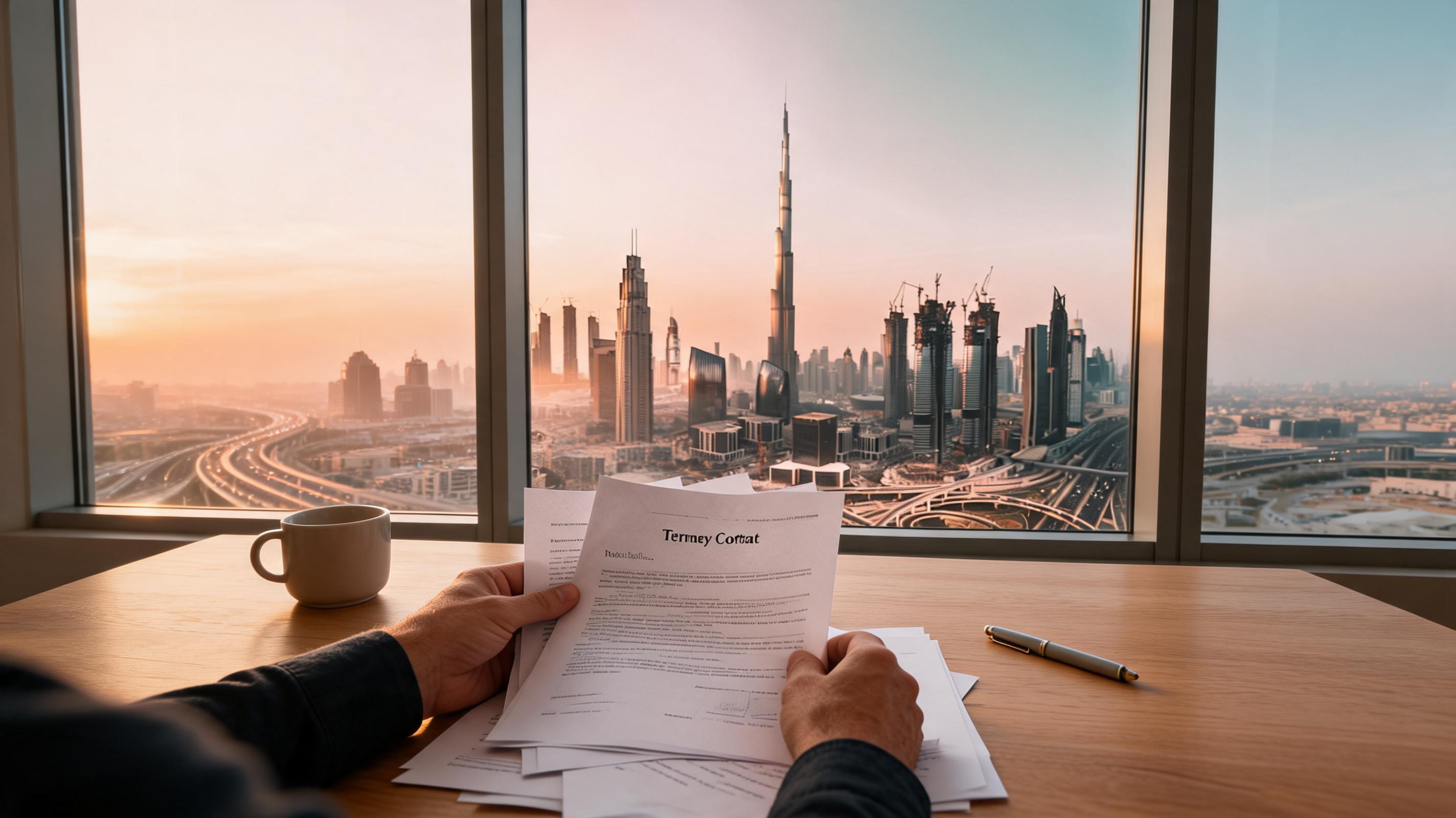
First, you need a copy of the existing tenancy contract. This document serves as the foundation for your renewal, outlining the terms and conditions that both parties have agreed upon. Make sure the contract is up to date and accurately reflects the property details and rental terms.
Next, you'll need to provide a recent copy of the Ejari certificate. This certificate is a mandatory requirement in Dubai and acts as proof that your tenancy contract is registered with the Dubai Land Department. It's essential to renew your Ejari registration alongside your tenancy contract to remain compliant with Dubai rental laws.
You'll also need to furnish a copy of your Emirates ID. This identification document is crucial for any legal process in the UAE, including tenancy renewals. Ensure that your Emirates ID is valid and not expired, as this could hinder the renewal process.
Additionally, have a copy of your passport ready. Both tenants and landlords are required to provide this document for identification purposes. It's a standard requirement that helps verify the identity of the parties involved in the tenancy agreement.
Lastly, make sure to have any necessary financial documents on hand. This might include proof of income or bank statements, which some landlords require to assess your ability to continue paying rent. While not always mandatory, having these documents prepared can facilitate negotiations and strengthen your renewal application.
By preparing these documents in advance, you can streamline the process of renewing your tenancy contract in Dubai. Proper documentation ensures compliance with Dubai's rental regulations and helps maintain a good relationship with your landlord.
Submitting Your Renewal Application
Submitting your renewal application for a tenancy contract in Dubai involves a few key steps, each critical to ensure compliance with local laws. The first step is to ensure all your documentation is in order. This includes the renewed tenancy contract, a copy of the tenant's and landlord's Emirates IDs, and the previous Ejari certificate. Make sure all documents are current and correctly filled out to avoid delays.
Once your documents are ready, you need to decide how to submit your application. You can either do it online through the Ejari system or visit an authorized typing center in person. The online method is generally faster and more convenient, especially for freelancers and small business owners who may not have the time to visit a center. However, if you prefer assistance or have complex queries, a typing center can offer personalized support.
When using the online option, log into the Ejari portal with your credentials. Follow the prompts to upload your documents and pay the necessary fees. Ensure that you receive a confirmation of submission and a receipt for your payment. This record is vital if any issues arise later.
If you opt for a typing center, bring all your documents and be prepared to pay service fees in addition to the standard Ejari charges. The staff will assist you in completing the application and submitting it on your behalf. This option is beneficial if you prefer face-to-face communication or need help with the process.
After submission, regularly check your application status through the Ejari system or with the typing center. Approval can take a few days, but staying informed will help you address any issues promptly. Once approved, you will receive your new Ejari certificate, confirming your tenancy renewal.
Handling Disputes and Negotiations
When it comes to renewing a tenancy contract in Dubai, disputes and negotiations can arise, even when both parties have the best intentions. Understanding how to handle these situations is crucial to ensuring a smooth renewal process. The key is to approach disputes methodically and with a clear understanding of Dubai's rental laws.
First, familiarize yourself with the current Dubai rental laws and regulations. This knowledge will arm you with the necessary context to understand what is legally permissible and what is not. Whether it's a disagreement over rent increases or maintenance responsibilities, knowing the legal framework helps you negotiate from a position of strength.
If a dispute arises, the initial step is to engage in open communication with the landlord or tenant. Address the issue directly and express your concerns clearly. It’s essential to document all communications, preferably in writing, to maintain a record of the discussions. This can be crucial if the matter escalates.
In the event that direct negotiation does not resolve the issue, consider mediation. Mediation involves a neutral third party who can facilitate a fair discussion and help reach an agreement. This process is often faster and less costly than legal proceedings.
However, if mediation fails, you may need to escalate the matter to the Rental Dispute Settlement Centre (RDSC) in Dubai. The RDSC specializes in handling rental disputes and can provide a legally binding resolution. Before proceeding, gather all relevant documents, such as the original lease agreement, renewal notices, and any communication records, as these will be required during the process.
For those dealing with complex disputes, hiring a professional service can be beneficial. These services can offer advice and representation. When selecting such a service, consider their experience with similar cases, their reputation in the market, and their understanding of the local legal landscape.
In summary, handling disputes and negotiations during the tenancy contract renewal process in Dubai requires a combination of legal knowledge, effective communication, and sometimes, professional assistance. By taking these steps, you can better manage potential conflicts and ensure a smoother renewal process.
Tips for a Smooth Renewal Process
Renewing a tenancy contract in Dubai can be a straightforward process if you prepare diligently and stay informed. Here are some actionable tips to ensure a seamless renewal experience:

- Start Early: Begin the renewal process well before the contract expiration date. This allows ample time to gather necessary documents, negotiate terms, and address any potential issues that may arise. Ideally, start at least 90 days before the lease ends.
- Review Your Current Contract: Carefully examine your existing tenancy contract to understand any clauses related to renewal, rent increases, or notice periods. This will help you anticipate any changes and prepare for discussions with your landlord.
- Understand the Ejari Renewal Process: Ensure your Ejari registration is up to date. The Ejari system is crucial for legally validating your tenancy contract in Dubai. Check for any changes in the Ejari renewal process and prepare the required documentation accordingly.
- Communicate with Your Landlord: Open communication with your landlord is essential. Discuss any concerns or changes you wish to make to the contract. Addressing issues early can prevent misunderstandings and facilitate smoother negotiations.
- Stay Informed on Dubai Rental Laws: Keep abreast of any updates to Dubai rental laws and regulations. This knowledge will empower you during negotiations and help you ensure compliance with legal requirements.
- Consider Professional Assistance: If the process seems overwhelming, consider hiring a professional service. A reliable service provider can guide you through the renewal steps, handle documentation, and liaise with your landlord, saving you time and potential headaches.
- Prepare for Negotiations: Be ready to negotiate terms such as rent increases or modifications to the lease agreement. Gather evidence like market rental rates or property condition reports to support your case.
- Keep Records: Maintain thorough records of all communications and documents related to the renewal process. This includes emails, letters, and any agreements reached during negotiations. Having a clear paper trail can be invaluable in case of disputes.
By following these tips, you can navigate the complexities of renewing a tenancy contract in Dubai with confidence. A proactive approach not only ensures compliance with legal requirements but also strengthens your position in negotiations, contributing to a hassle-free renewal process.
Common Mistakes to Avoid During Renewal
Renewing a tenancy contract in Dubai can seem straightforward, but several common pitfalls can complicate the process. Understanding these mistakes can save time, money, and potential legal headaches. Here's what to watch out for:
First, failing to start the renewal process early can cause unnecessary stress. The tenancy contract renewal Dubai process can take time, especially if there are negotiations involved. Starting the process at least 90 days before the contract expires allows ample time to handle any unexpected issues that may arise. This timeframe also aligns with the notice period required by Dubai rental laws for any changes to the contract terms.
Another frequent mistake is overlooking the importance of updating Ejari registration. The Ejari renewal process is critical in making your tenancy contract legally valid. Ensure that you have all necessary Dubai tenancy renewal documents ready and submit them promptly. Failure to renew Ejari can result in fines or disputes with your landlord.
Miscommunication between tenants and landlords is another common issue. Clear communication about any changes in the Dubai lease agreement, such as rent adjustments or maintenance responsibilities, can prevent disputes. Document all communications to have a record in case of disagreements.
Ignoring the specifics of Dubai rental laws can also lead to problems. For instance, misunderstanding the rules about rent increases can lead to disputes. Familiarize yourself with the legal framework governing rental contract extension Dubai to ensure compliance.
Lastly, relying solely on verbal agreements can be problematic. Always ensure that any agreement reached is documented in writing and signed by both parties. This provides a legal safeguard and avoids potential misunderstandings.
By avoiding these mistakes, you can ensure a smoother process when renewing a tenancy contract in Dubai. Taking proactive steps and staying informed about the regulations will go a long way in maintaining a positive tenant-landlord relationship.
FAQ
How long before the lease expires should I start the renewal process?
It's advisable to start the renewal process at least 90 days before the lease expires to ensure ample time for negotiations and paperwork.
What documents are needed for renewing a tenancy contract in Dubai?
Typically, you need the existing tenancy contract, a copy of the tenant's and landlord's Emirates ID, and proof of payment for the renewal fee.
Can I negotiate the rent during the renewal process?
Yes, tenants can negotiate rent terms during renewal, but it's important to check the RERA rental index for guidance on fair pricing.
What happens if there is a dispute during the renewal process?
Disputes can be resolved through the Dubai Rental Dispute Settlement Centre, which offers mediation and arbitration services.
Is it mandatory to register the renewed contract with Ejari?
Yes, registering the renewed contract with Ejari is mandatory to ensure the contract is legally recognized and compliant with Dubai regulations.