The Rise of Custom Apparel: Why Brands Are Embracing Personalization in 2026
Explore why custom apparel is trending in 2026 and how brands are leveraging personalization to stand out. Learn about the benefits and future of this trend.
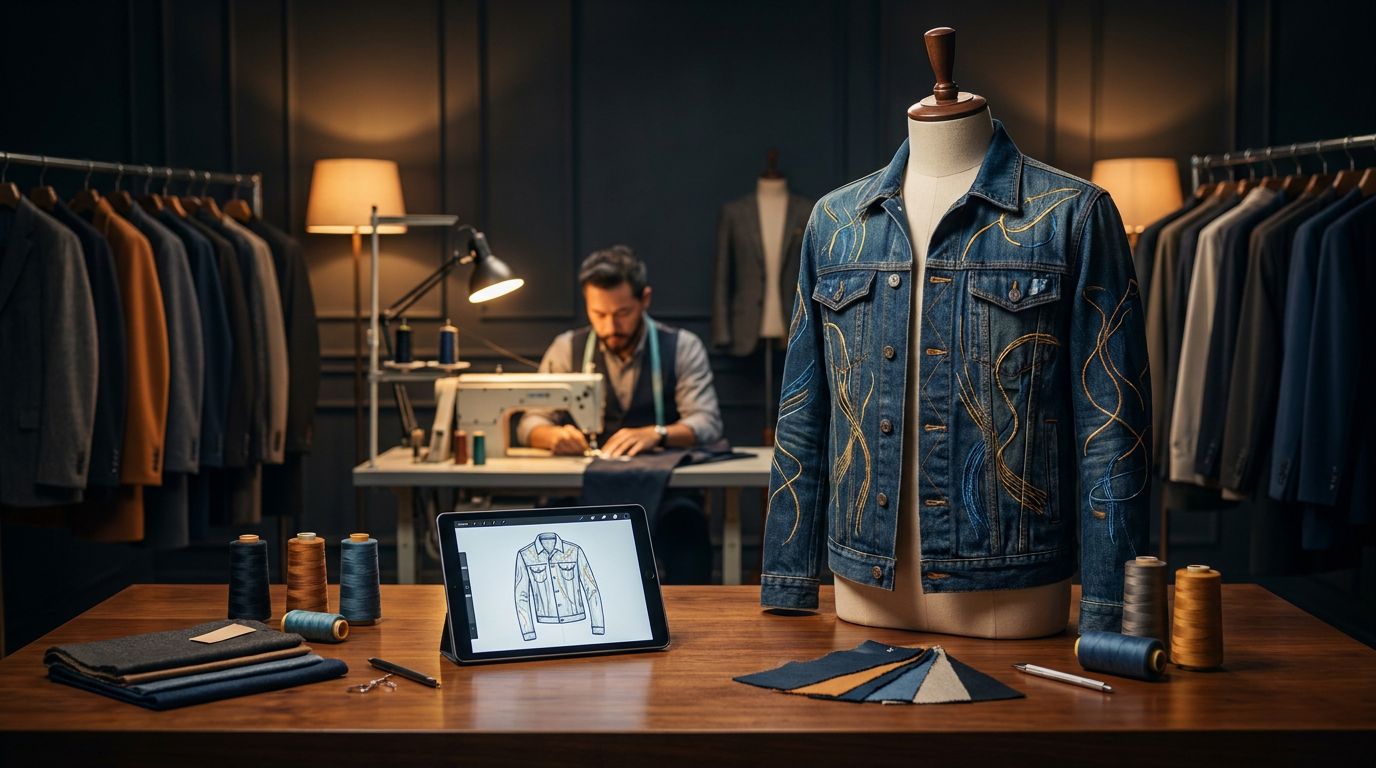
Why Custom Apparel is the Go-To Choice in 2026
In 2026, custom apparel has become the go-to choice for brands because it offers unmatched flexibility and a direct response to consumer demand for uniqueness. With the rise of platforms like Sleek Apparels, fashion brands no longer face high minimum order requirements, making it easier to experiment with personalized clothing. This shift allows brands to test new designs or launch limited runs without the financial burden of significant upfront investments.
As fashion brands navigate a market saturated with mass-produced options, custom clothing emerges as a differentiator. Brands can now cater to niche audiences by creating limited edition pieces that reflect specific cultural or seasonal trends. This ability to pivot quickly and produce tailor-made collections resonates with consumers seeking individuality in their fashion choices.
Moreover, technology has played a pivotal role in making custom apparel accessible and efficient. Advanced design tools and automated production processes enable brands to bring their visions to life with precision and speed. For small to medium-sized enterprises, this means they can compete with larger brands by offering unique, high-quality pieces that stand out in the crowded marketplace.
The consumer's appetite for personalized clothing is driven by a shift towards self-expression and sustainability. Shoppers are increasingly looking for fashion that not only fits their personal style but also aligns with their values. Custom apparel meets this demand by allowing consumers to choose designs that reflect their identity while supporting more sustainable production practices—producing only what is needed, thus reducing waste.
For brands, the benefits of embracing custom apparel extend beyond just meeting consumer demand. It also strengthens brand identity by fostering a deeper connection with customers. By offering exclusive designs, brands not only enhance their appeal but also build loyalty among consumers who appreciate the personal touch. This strategic focus on personalization positions brands to thrive in a competitive landscape, making custom apparel an essential component of their growth strategy in 2026.
In summary, custom apparel is not just a trend; it's a strategic move that aligns with current consumer trends and technological advancements, providing brands with a competitive edge and consumers with the individuality they crave.
How Personalization Enhances Brand Identity
In 2026, personalization is not just a trend; it's the backbone of brand identity for fashion brands. Custom apparel allows brands to create a unique voice in a crowded market. By offering personalized clothing, brands can cater to niche audiences, thus establishing a distinct identity that resonates with their target demographic.
For small to medium-sized fashion brands, the ability to personalize products is a game-changer. Sleek Apparels, for example, enables these brands to produce custom clothing without the burden of high minimum order requirements. This flexibility is crucial for brands looking to experiment with new designs or launch limited runs. The result is a dynamic brand image that evolves with consumer trends, rather than being stuck in a one-size-fits-all approach.
Personalization in custom apparel also fosters a deeper emotional connection between the brand and its customers. When consumers feel that a product is tailored just for them, they are more likely to develop brand loyalty. This emotional engagement is invaluable, as it often translates into repeat business and word-of-mouth marketing. Brands that leverage personalized clothing as part of their identity are not just selling a product; they are selling a personalized experience.
To implement personalization effectively, brands should consider the following steps:
- Leverage Data Analytics: Use technology to understand consumer preferences and behaviors. This data can inform design choices and marketing strategies, ensuring that personalized offerings align with what your audience truly wants.
- Engage with Your Audience: Utilize social media platforms and direct feedback channels to gather insights. Engaging directly with consumers helps refine your brand's personalized offerings and strengthens your brand identity.
- Iterate and Adapt: Personalization is not a one-time effort. Continuously refine your offerings based on consumer feedback and market trends. This adaptability ensures that your brand identity remains relevant and compelling.
Incorporating personalization into your brand strategy can be daunting, but the payoff is significant. By creating a brand identity that is both unique and adaptable, brands can thrive in the competitive landscape of 2026. For more on how technology is shaping this shift, see The Role of Technology in Custom Apparel.
The Role of Technology in Custom Apparel
In 2026, technology is the backbone of the custom apparel industry, transforming how fashion brands approach design, production, and consumer engagement. For small to medium-sized fashion brands, leveraging technological advancements is not just an option; it’s a necessity to stay competitive in a landscape that increasingly values personalized clothing.
One of the most significant technological contributions is the advancement of digital design tools. These tools allow designers to create intricate patterns and prototypes without needing physical samples, saving both time and material costs. For instance, 3D modeling software enables designers to visualize how a custom clothing item will look and fit before it ever hits production. This not only enhances design precision but also accelerates the iteration process, allowing brands to respond swiftly to consumer trends.
Production technology has also seen a revolution with the rise of on-demand manufacturing. Unlike traditional methods that require high minimum orders, on-demand technology allows brands to produce items only as they are ordered. This is particularly beneficial for entrepreneurs using platforms like Sleek Apparels, which cater to those interested in testing new designs with minimal risk. With this approach, brands can maintain lower inventory levels and reduce waste, aligning with the growing consumer demand for sustainable fashion practices.
Moreover, the integration of AI and machine learning in custom apparel has refined personalization at scale. AI-driven analytics provide insights into consumer preferences, enabling brands to tailor their offerings more precisely. For example, by analyzing purchase histories and style preferences, brands can recommend personalized clothing options that align with individual consumer tastes, thus fostering a stronger brand identity.
The role of technology extends to consumer interaction as well. Augmented reality (AR) and virtual reality (VR) technologies have made it possible for consumers to virtually try on clothes from the comfort of their homes. This immersive experience not only enhances customer satisfaction but also reduces return rates, as consumers make more informed purchasing decisions.
In summary, technology in fashion is not merely a tool but a critical driver of innovation and efficiency in custom apparel. For fashion brands, particularly those looking to capitalize on the custom apparel hours, embracing these technological advancements is key to unlocking new opportunities and meeting the evolving demands of a tech-savvy consumer base.
Consumer Demand for Unique Fashion
The demand for unique fashion has surged in 2026, driven by consumers' desire for individuality and self-expression. With the proliferation of social media platforms, people are more visible than ever, and standing out has become a cultural currency. This shift is not just a trend; it's a fundamental change in how consumers view their wardrobes. In this landscape, personalized clothing has emerged as a key player, offering consumers a way to wear their identity on their sleeves—literally.
For fashion brands, this demand for uniqueness presents both a challenge and an opportunity. Traditional mass production methods are ill-suited to meet the nuanced preferences of today's consumers. Instead, brands are turning to custom clothing solutions to cater to these desires. Platforms like Sleek Apparels allow small to medium-sized brands to produce custom apparel without the burden of high minimum order requirements. This flexibility enables brands to test new designs, launch limited editions, and respond swiftly to consumer trends, all without significant upfront investment.
The rise of custom apparel hours is a testament to this shift. Consumers are no longer willing to wait weeks for a piece of clothing that speaks to their personal style. They want it quickly, and they want it to be just right. This demand has pressured brands to streamline their operations and leverage technology to reduce production times. By utilizing tools that allow for rapid prototyping and agile manufacturing processes, brands can now deliver personalized clothing faster than ever before.
Moreover, the consumer's appetite for unique fashion isn't limited to aesthetics. There's a growing expectation for ethical and sustainable production practices. Custom apparel's on-demand nature inherently reduces waste, aligning with the values of eco-conscious consumers. By creating only what is needed, brands can minimize their environmental footprint while still delivering the personalized experiences that customers crave.
In summary, the consumer demand for unique fashion in 2026 is reshaping the apparel industry. Fashion brands that adapt to this demand by embracing custom clothing solutions, like those offered by Sleek Apparels, are not just staying relevant—they're thriving. By balancing speed, personalization, and sustainability, these brands can meet modern consumers' expectations and set the standard for the future of fashion.
Challenges and Opportunities for Brands
The custom apparel market in 2026 presents both significant challenges and lucrative opportunities for fashion brands. On one hand, the surge in demand for personalized clothing is driving brands to innovate rapidly. On the other, the same demand pressures brands to adapt their production processes and supply chains to meet consumer expectations without compromising quality or delivery speed.
One of the primary challenges is managing the logistics of custom clothing production. Small to medium-sized brands, in particular, often lack the infrastructure to handle high volumes of personalized orders. This is where platforms like Sleek Apparels become indispensable. They allow brands to produce custom apparel with low minimum order requirements, enabling them to test new designs or launch limited runs without the financial burden of large inventory commitments.
However, brands must also navigate the complexities of maintaining consistent brand identity across personalized products. Customization inherently means variability, and ensuring that each piece aligns with the brand's aesthetic and quality standards can be daunting. Here, technology plays a crucial role. Advanced design tools and automated quality checks can help maintain brand consistency, even across a diverse range of custom products.
On the opportunity side, the ability to offer personalized clothing can significantly enhance customer loyalty and engagement. Consumers in 2026 are increasingly drawn to brands that offer unique, tailored experiences. By leveraging custom apparel, brands can create deeper connections with their audience, turning one-time buyers into repeat customers through personalized touches that resonate on an individual level.
Moreover, the trend towards sustainable fashion offers another opportunity. Custom apparel can lead to less waste by producing only what is needed, aligning with the growing consumer demand for environmentally responsible products. Brands that position themselves as eco-friendly by utilizing custom clothing strategies can differentiate themselves in an increasingly crowded market.
In summary, while the custom apparel landscape in 2026 presents logistical and brand consistency challenges, it also offers substantial opportunities for growth and differentiation. By strategically leveraging technology and understanding consumer trends, brands can turn these challenges into pathways for success, cementing their place in the future of fashion.
Future Trends in Custom Apparel
The custom apparel industry is on the brink of significant transformation, driven by advances in technology and shifting consumer preferences. As we look towards the future, several trends stand out that will shape the landscape for fashion brands and entrepreneurs.
First, the integration of AI and machine learning into design processes is set to revolutionize custom clothing. These technologies enable brands to analyze consumer data more effectively, predicting trends and personalizing designs to meet individual preferences. Imagine a world where your customers can see a virtual representation of their personalized clothing before making a purchase, tailoring every aspect from fabric choice to color palette.
Sustainability will also play a pivotal role in the evolution of custom apparel. Consumers are increasingly demanding eco-friendly options, pushing brands to adopt sustainable practices. This includes using organic materials, implementing recycling programs, and reducing waste through made-to-order models. Brands like Sleek Apparels are already tapping into this trend, offering customizable options that emphasize both style and environmental responsibility.
Another emerging trend is the rise of augmented reality (AR) in the shopping experience. AR allows consumers to visualize how custom apparel fits and looks in real-time, directly from their devices. This technology not only enhances customer engagement but also reduces return rates, a significant benefit for small to medium-sized fashion brands wary of inventory challenges.
The concept of "custom apparel hours" is set to redefine production timelines. With advancements in rapid manufacturing technologies, brands can now promise quicker turnaround times without compromising quality. This is particularly beneficial for entrepreneurs testing new designs or launching limited runs, as they can respond swiftly to market demands.
Finally, community-driven design is gaining traction. Consumers are not just buyers but co-creators, participating in the design process through platforms that allow for feedback and voting on upcoming collections. This trend fosters a deeper connection between brands and their audience, enhancing brand identity and loyalty.
In summary, the future of custom apparel is intertwined with technological innovation and consumer-centric strategies. Fashion brands that embrace these trends will not only meet the evolving demands of their audience but also position themselves as leaders in a rapidly changing industry.
FAQ
Why are brands focusing on custom apparel?
Brands focus on custom apparel to offer unique products that strengthen their identity and meet consumer demand for personalization.
What technologies are driving the custom apparel trend?
Technologies like AI, digital printing, and on-demand manufacturing are making custom apparel more accessible and cost-effective.
How does custom apparel benefit consumers?
Custom apparel allows consumers to express their individuality and style through unique, personalized clothing options.
What are the challenges of producing custom apparel?
Challenges include managing production costs, ensuring quality, and efficiently handling small order quantities.