The Rise of Barcode Labels in 2026: What You Need to Know
Explore the surge in barcode label usage in 2026 and its impact on businesses. Learn how barcode labels can enhance efficiency and compliance.
The short answer: why barcode labels are booming
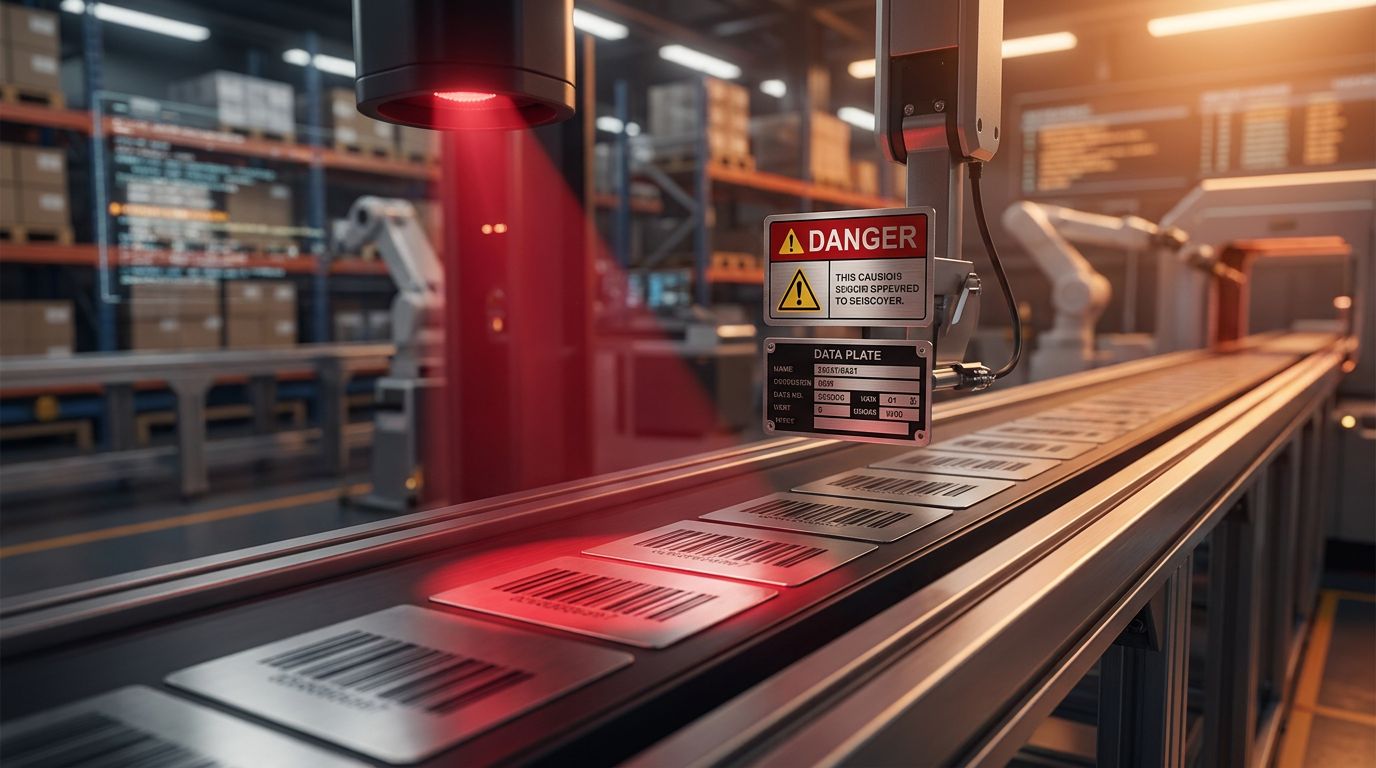
Barcode labels are booming because they streamline inventory management, enhance compliance with industry standards, and offer customizable solutions that cater to diverse business needs. The rapid adoption of barcode technology is driven by its ability to reduce human error, optimize operational efficiency, and facilitate seamless tracking of assets. As businesses in Australia, particularly in industries like manufacturing, mining, and electrical services, seek durable labeling solutions, products like Premium Nameplates offer essential benefits.
The demand for barcode labels is primarily fueled by their role in inventory management. Businesses can track and manage their stock with unparalleled accuracy, minimizing losses due to misplacement or theft. This is crucial for operations managers who need real-time data to make informed decisions. The use of barcode labels allows for quick scanning and updating of inventory records, which translates to less time spent on manual data entry and more on strategic planning.
Compliance labels are another significant factor in the rise of barcode labels. Industries with stringent regulatory requirements rely on these labels to meet safety and compliance standards. For example, Fire Door Tags and Inspection Tags provide vital information for safety inspections, ensuring that businesses adhere to legal obligations. Barcode labels enable companies to maintain detailed records of compliance, reducing the risk of costly fines or legal issues.
Customization is a key advantage of barcode labels, allowing businesses to tailor solutions to their specific needs. Whether it's creating custom barcode labels for unique product lines or adapting labels to withstand harsh environmental conditions, the flexibility offered by companies like Premium Nameplates is invaluable. Products such as Dome Labels demonstrate this versatility, providing options for businesses looking to enhance their branding while ensuring durability and longevity.
In summary, the boom in barcode labels is not just a trend but a strategic shift towards more efficient, compliant, and customizable business operations. As the technology continues to evolve, its applications will only expand, making barcode labels an indispensable tool for modern businesses.
How barcode labels enhance operational efficiency
In the fast-paced world of manufacturing, mining, and electrical services, operational efficiency is not just a buzzword—it's a necessity. Barcode labels play a pivotal role in streamlining processes, reducing errors, and enhancing productivity. They are not merely a tool for inventory management but a strategic asset that can transform the way businesses operate.
One of the most significant advantages of using barcode labels is the reduction in human error. Manual data entry is prone to mistakes, which can lead to costly discrepancies and inefficiencies. By implementing barcode systems, companies can automate data collection, ensuring accuracy and saving valuable time. For instance, scanning a barcode instantly updates inventory levels, eliminating the need for manual counting and reducing the risk of error.
Barcode labels also expedite the tracking process. In sectors like mining and manufacturing, where equipment and materials are constantly moving, keeping track of assets is crucial. Barcode labels allow for real-time tracking, offering businesses instant visibility into the location and status of their assets. This visibility is critical for maintaining efficient operations and preventing costly downtime. For example, labels can be used for product labeling, helping companies quickly identify and organize their products.
Moreover, barcode labels enhance operational efficiency by improving inventory management. With automated systems, businesses can maintain optimal stock levels, minimizing the risk of overstocking or stockouts. This capability is particularly beneficial for sectors where compliance with safety and regulatory standards is mandatory. Tags like Fire Door Tags and Inspection Tags offer essential compliance information, ensuring that businesses meet industry standards without sacrificing efficiency.
To implement barcode labels effectively, businesses should follow a few actionable steps:
- Assess your needs: Determine which processes can benefit most from automation and how barcode labels can be integrated.
- Choose the right materials: Select durable labels that can withstand the specific conditions of your industry. For harsh environments, anodised aluminium nameplates are a reliable choice.
- Train your team: Ensure that staff understand how to use barcode technology effectively to maximize its benefits.
Implementing barcode labels is not just about sticking a label on a product; it's about integrating a system that boosts operational efficiency and supports long-term business goals. For more insights on how to tailor barcode solutions to your specific needs, explore our customizable solutions for diverse business needs, or learn about the durability and longevity of our high-quality products.
Compliance and safety: meeting industry standards
In 2026, adhering to industry standards for compliance and safety is non-negotiable for businesses. Companies in Australia, especially those in manufacturing, mining, and electrical services, must navigate a complex regulatory landscape. Barcode labels play a crucial role in ensuring that products meet these stringent requirements. By using reliable and durable labeling solutions like those offered by Premium Nameplates, businesses can achieve compliance while enhancing safety protocols.
A variety of labeling products are specifically designed to meet compliance needs. For instance, Fire Door Tags are essential for ensuring that buildings meet fire safety regulations. These tags provide vital information about maintenance records and compliance with required codes, making them indispensable for accredited fire door inspectors. Similarly, Inspection Tags are used in the lifting, rigging, and height safety sectors. These tags help inspectors verify that equipment meets safety standards, reducing the risk of accidents and ensuring regulatory compliance.
To effectively meet industry standards, businesses should focus on the following steps:
- Understand the Regulations: Begin by thoroughly understanding the specific compliance requirements relevant to your industry. This includes familiarizing yourself with local, national, and international standards that apply to your products or services.
- Choose the Right Labels: Select labels that are not only compliant but also durable enough to withstand environmental challenges. Premium Nameplates' Aluminium Nameplates, for example, are designed for extreme environments and are resistant to solvents, grease, and outdoor conditions.
- Implement a Tracking System: Use barcode labels to track compliance and safety data efficiently. This system can help streamline inspections and audits, providing a clear record of compliance for regulators and stakeholders.
- Regularly Update and Maintain Labels: Ensure that all labels are up-to-date and accurately reflect the current status of compliance. Regular maintenance and checks can prevent costly errors and potential legal issues.
- Train Staff on Compliance Protocols: Educate your team about the importance of compliance and how to use labeling solutions effectively. This ensures that everyone is aligned with safety standards and understands the role of barcode labels in maintaining compliance.
By integrating these steps, businesses can leverage barcode labels not only as a tool for operational efficiency but also as a cornerstone of their compliance strategy. In doing so, they safeguard their operations against regulatory penalties and enhance their reputation for safety and reliability.
Customizable solutions for diverse business needs
In today's fast-paced business environment, adaptability is key. Premium Nameplates understands this and offers customizable solutions tailored to meet the diverse needs of industries such as manufacturing, mining, and electrical services. Their product range is specifically designed to address the unique challenges faced by businesses operating in these demanding sectors.
For instance, the Aluminium Nameplates offered by Premium Nameplates are a versatile option that can be customized to suit various applications. These plates are made to withstand extreme environmental conditions, making them ideal for use as VIN plates, fire door tags, or valve ID plates. The anodized aluminium construction ensures durability and resistance to solvents, grease, and constant handling, making them a reliable choice for businesses that need labels to last the product's lifetime.
Similarly, Dome Labels provide a customizable option for businesses looking to enhance their brand visibility. These labels are pressure-sensitive and come with a thick polyurethane coating, ensuring they remain intact even with frequent handling. The ability to custom print logos or specific product information makes them an excellent choice for product labeling or promotional purposes.
Self Adhesive Labels are another customizable solution offered by Premium Nameplates. These labels are made from durable, waterproof, and tear-proof materials, making them suitable for labeling products or creating unique packaging. Their flexibility and ease of use allow businesses to apply them to any smooth surface, such as glass or plastic, providing a convenient way to manage inventory and brand products.
For businesses that require compliance labels, the Fire Door Tags and Inspection Tags are essential. These tags are designed to provide vital information regarding safety standards and maintenance records, ensuring regulatory compliance in industries where safety is paramount. Customizing these tags with specific data relevant to each application ensures that businesses meet their compliance obligations effectively.
By offering a range of customizable solutions, Premium Nameplates empowers businesses to address their specific labeling needs. Whether it's enhancing operational efficiency, ensuring compliance, or promoting brand identity, their products provide the flexibility and durability required to thrive in challenging environments.
Durability and longevity: why quality matters
In the world of barcode labels, durability and longevity are not just desirable traits; they are essential. When you consider the environments in which these labels operate—ranging from the harsh conditions of a mining site to the constant handling in a manufacturing plant—the importance of quality becomes evident. A label that fails prematurely can lead to dire consequences, including non-compliance with safety regulations and operational disruptions.
Premium Nameplates understands the critical need for durable labeling solutions. Their anodised aluminium nameplates, for instance, are specifically designed to withstand extreme environments. These nameplates are unaffected by solvents, grease, oil, and outdoor elements, maintaining their integrity even with constant handling. This makes them ideal for sectors like mining and electrical services, where exposure to harsh conditions is routine.
The longevity of a barcode label is also crucial for maintaining compliance and safety standards. In industries where regulatory compliance is non-negotiable, such as fire safety, using subpar labels can result in significant fines and legal issues. Premium Nameplates' Fire Door Tags are a prime example of how quality labels ensure that vital information remains legible and intact over time, thereby meeting required codes and standards.
Investing in high-quality labels like Dome Labels, which feature a thick polyurethane coating, ensures that businesses can avoid the pitfalls of frequent replacements and the associated costs. These labels are pressure-sensitive and designed to stay on permanently, even with frequent handling. This not only enhances operational efficiency but also secures your brand's credibility in the marketplace.
To ensure the durability and longevity of your barcode labels, consider the following steps:
- Assess the Environment: Identify the specific conditions your labels will face. Is it exposure to chemicals, extreme temperatures, or constant handling?
- Choose the Right Material: Based on your assessment, select a material that can withstand those conditions. Anodised aluminium and polyurethane-coated labels are excellent choices for durability.
- Evaluate Compliance Needs: Ensure the labels meet industry-specific regulations, particularly if you're in sectors like manufacturing or electrical services.
- Prioritize Quality Over Cost: While cheaper labels might save money upfront, the long-term costs of replacements and potential compliance failures can far outweigh the initial savings.
Ultimately, investing in durable and long-lasting barcode labels is a strategic decision that safeguards your operations and maintains compliance. Quality matters, and choosing the right labels can make all the difference.
Future trends in barcode label technology
As we move further into 2026, barcode label technology is undergoing significant transformations driven by advancements in digital printing, materials science, and data integration. These changes are set to redefine how businesses in sectors like manufacturing, mining, and electrical services manage compliance, safety, and branding.
One emerging trend is the integration of smart technology with traditional barcode labels. Smart labels, embedded with Radio Frequency Identification (RFID) chips or Near Field Communication (NFC) technology, allow businesses to track inventory in real-time, offering a level of operational efficiency that standard barcode labels cannot match. These smart labels can store more data and facilitate automatic data capture, reducing manual errors and improving inventory management accuracy.
Material advancements are also playing a crucial role. Companies like Premium Nameplates are leveraging durable materials such as anodized aluminum and polyurethane coatings to create labels that withstand extreme environments. This is particularly relevant for industries where exposure to harsh conditions is common. For instance, their Dome Labels, with their thick polyurethane coating, are ideal for products subject to frequent handling.
Customization is another area seeing significant growth. Businesses are increasingly demanding custom barcode labels tailored to specific regulatory compliance needs. This trend is driven by the need for compliance labels that not only meet industry standards but also align with a brand's identity. With digital printing technologies, companies can now produce labels that are not only compliant but also visually appealing, offering a dual benefit of functionality and branding.
Sustainability is also becoming a key focus. The demand for eco-friendly materials and processes is rising as businesses seek to reduce their carbon footprint. Future barcode labels are likely to incorporate biodegradable materials and sustainable inks, aligning with broader environmental goals and regulatory pressures.
Finally, the integration of cloud-based systems with barcode technology is set to enhance data accessibility and sharing. This allows businesses to streamline their supply chain operations, improve data accuracy, and facilitate seamless communication across various stakeholders.
In summary, the future of barcode label technology is poised to offer enhanced functionality, durability, and sustainability. For operations managers and procurement officers, staying ahead of these trends will be crucial in maintaining compliance, improving operational efficiency, and achieving long-term business success.
FAQ
Why are barcode labels important for businesses?
Barcode labels are crucial for businesses as they improve inventory management, enhance operational efficiency, and ensure compliance with industry standards.
Can barcode labels be customized?
Yes, barcode labels can be customized to meet specific business needs, including size, material, and printing options.
What industries benefit most from barcode labels?
Industries such as manufacturing, logistics, and retail benefit significantly from barcode labels due to improved tracking and compliance capabilities.
How do barcode labels contribute to compliance?
Barcode labels provide essential information that helps businesses meet regulatory requirements, ensuring safety and quality assurance.
Are barcode labels durable?
High-quality barcode labels, like those from Premium Nameplates, are designed to be durable and withstand harsh conditions, ensuring long-term usability.