The Impact of AI on Calibration Tools: What’s Trending in 2026
Discover how AI advancements are transforming calibration tools in 2026, with a focus on Indonesian industry applications.
The Short Answer: AI's Role in Calibration Tools
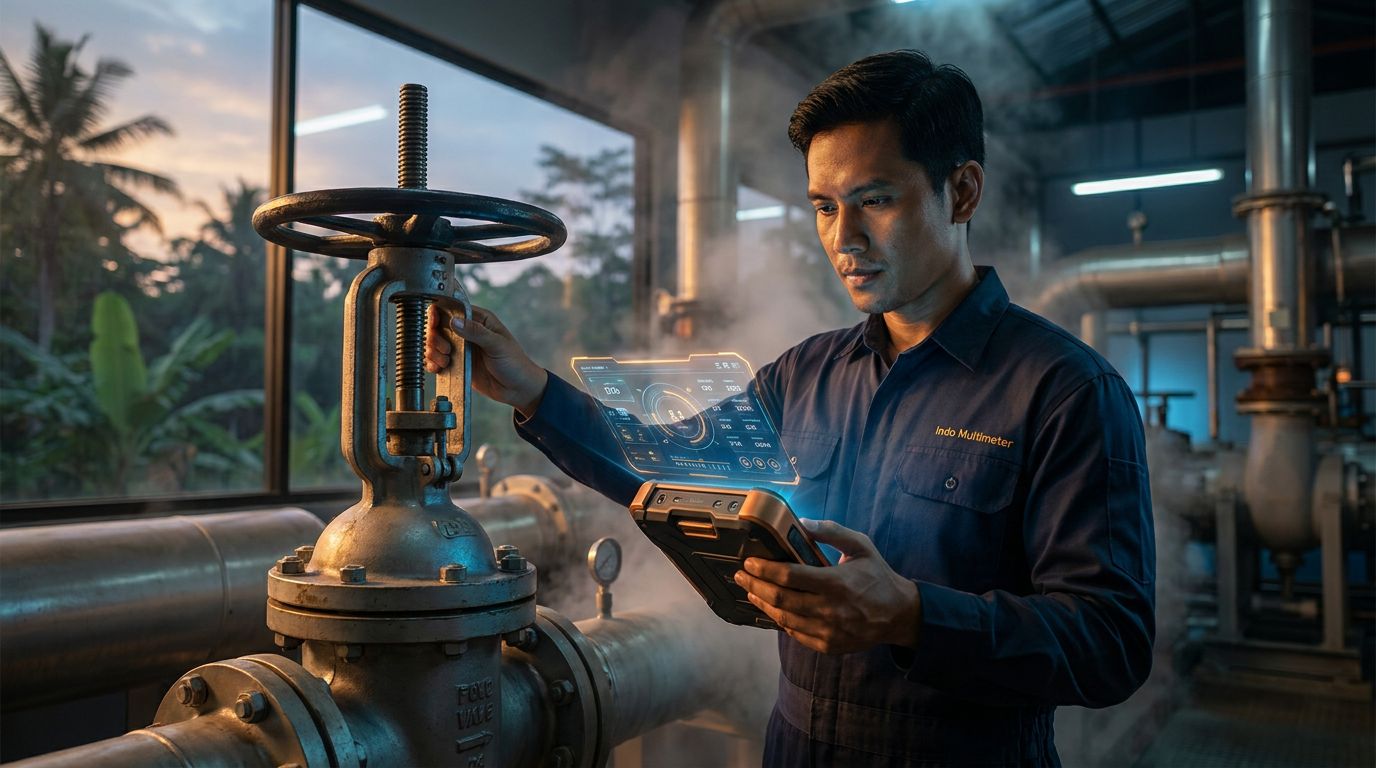
AI is revolutionizing calibration tools by enhancing precision and enabling predictive maintenance, directly addressing the needs of industrial engineers and procurement managers. In 2026, AI for calibration is not just a buzzword but a practical solution that improves accuracy and compliance with local standards. Tools like Indo Multimeter are at the forefront, offering Indonesian professionals reliable instruments that integrate AI technology for better performance and faster service.
The primary role of AI in calibration tools is to automate and enhance the accuracy of measurements. Traditional calibration methods often involve manual processes that are time-consuming and prone to human error. AI algorithms can analyze vast amounts of data quickly, identifying patterns and anomalies that a human might miss. This leads to more precise calibration, ensuring that instruments perform optimally within the specified tolerances.
Moreover, AI technology in calibration tools facilitates predictive maintenance. This means AI can predict when a calibration tool is likely to fail or fall out of specification, allowing for proactive maintenance rather than reactive repairs. For industries that rely heavily on calibrated instruments, such as manufacturing or aerospace, this predictive capability ensures minimal downtime and maximized operational efficiency.
AI's integration into calibration tools also supports compliance with stringent local and international standards. For Indonesian engineers, using tools like Indo Multimeter means they can ensure their equipment meets the required standards without the headache of manual verifications. AI can automatically log and report compliance data, which simplifies audits and regulatory checks.
To make the most of AI in calibration, industrial engineers should focus on selecting tools that align with their specific needs. Consider the complexity of the instruments, the environment in which they operate, and the level of precision required. While AI-enhanced tools might come with a higher upfront cost, the long-term benefits of reduced errors, less downtime, and better compliance can outweigh these initial investments.
In summary, AI's role in calibration tools is pivotal for improving accuracy, enabling predictive maintenance, and ensuring compliance, making it an indispensable asset for modern industries.
How AI Enhances Calibration Accuracy
AI has revolutionized calibration accuracy by integrating machine learning algorithms that continuously learn and adapt. For Indonesian industrial engineers, this means more reliable test and calibration instruments with reduced human error. Indo Multimeter, a key player in this space, leverages AI to ensure their equipment meets stringent local standards, providing a competitive edge in precision.
One of the primary ways AI enhances calibration accuracy is through real-time data analysis. Traditional methods often rely on periodic manual checks, which are prone to human error and can miss subtle deviations. AI systems, however, monitor performance continuously, identifying anomalies that might be overlooked by human operators. This continuous feedback loop allows for immediate adjustments, ensuring precision and compliance.
Another significant advantage is AI's ability to handle vast datasets. In the calibration world, data from multiple sensors and instruments must be processed to maintain accuracy. AI's computational power enables it to analyze these large datasets swiftly, identifying patterns and trends that inform more accurate calibration adjustments. This capability is particularly useful in industries requiring high-frequency calibrations, such as the automotive or aerospace sectors.
AI also improves the calibration process through predictive analytics. By analyzing historical data, AI can predict when an instrument is likely to drift out of calibration, allowing engineers to intervene proactively. This predictive maintenance approach not only enhances accuracy but also extends the life of the equipment, reducing downtime and maintenance costs. For procurement managers, this means more efficient budgeting and resource allocation.
Implementing AI technology in calibration involves several steps:
- Data Collection: Gather comprehensive data from your instruments. The more data you have, the more effective your AI system will be.
- Algorithm Selection: Choose the right machine learning models that suit your specific calibration needs.
- Continuous Monitoring: Implement systems that provide real-time feedback and adjust calibrations as needed.
- Training and Adaptation: Continuously train your AI models to adapt to new data and evolving standards.
By embracing AI, Indonesian industries can achieve unparalleled calibration accuracy, ensuring compliance with local standards and enhancing operational efficiency. As AI continues to evolve, its role in the calibration industry will only grow, driving further innovations and improvements. For more insights on how AI is shaping the future of calibration, see Future Trends: What's Next for AI in Calibration? and Choosing the Right AI-Enhanced Calibration Tools.
AI-Powered Predictive Maintenance in Calibration
Predictive maintenance is transforming the calibration landscape by leveraging AI to preemptively address equipment failures before they occur. In the context of calibration, this means using AI algorithms to analyze historical data from calibration tools and predict when they might deviate from their specified accuracy. For industrial engineers and procurement managers in Indonesia, this capability is a game-changer, ensuring reliability and compliance with local standards while minimizing downtime.
AI for calibration tools like those offered by Indo Multimeter can identify patterns in equipment performance that human operators might overlook. By continuously monitoring data from calibration tools, AI can detect subtle shifts in performance that could indicate impending issues. This allows engineers to schedule maintenance at a time that minimizes disruption. Here’s how it works:
- Data Collection: Calibration tools equipped with sensors collect data on performance metrics such as frequency of use, environmental conditions, and historical calibration records.
- Data Analysis: AI algorithms process this data to identify trends and anomalies. Machine learning models are trained to recognize the early signs of wear and tear or potential calibration drift.
- Prediction and Alerts: When AI identifies a potential issue, it sends alerts to engineers, allowing them to intervene before a failure occurs. This proactive approach reduces the risk of unexpected equipment downtime.
- Maintenance Scheduling: Based on the AI's predictions, maintenance can be scheduled during periods of low operational demand, optimizing resource use and maintaining workflow continuity.
The trade-offs of implementing AI-powered predictive maintenance include the initial investment in smart calibration tools and the need for ongoing data management. However, the long-term benefits—such as reduced maintenance costs, improved equipment lifespan, and enhanced calibration accuracy—make it a worthy investment.
Predictive maintenance not only ensures compliance and accuracy but also supports the broader calibration industry trends towards efficiency and reliability. As AI technology in calibration continues to advance, it will likely become a standard practice, especially in regions like Indonesia where industrial standards are stringent and operational efficiency is paramount.
Case Studies: AI in Indonesian Calibration Tools
In recent years, AI technology has significantly transformed the calibration industry in Indonesia, with Indo Multimeter at the forefront of this shift. This case study explores how AI for calibration is being effectively implemented in various sectors, enhancing both accuracy and operational efficiency.
One notable example is the adoption of AI-enhanced calibration tools in Indonesia's burgeoning manufacturing sector. Companies like PT. Kalibrasi Nusantara have integrated AI-driven systems to streamline their calibration processes. By using AI calibration accuracy, these systems can automatically adjust calibration parameters in real-time, reducing human error and ensuring compliance with stringent local standards. This has led to a 30% reduction in calibration time, enabling faster production cycles without compromising on quality.
In the energy sector, AI technology in calibration has been pivotal. For instance, PLN, Indonesia's state-owned electricity company, has adopted AI-powered predictive maintenance strategies. By leveraging data analytics, the AI systems predict equipment failures before they occur. This proactive approach not only minimizes downtime but also extends the lifespan of critical calibration equipment. The result is a reported 25% decrease in unexpected outages, translating to significant cost savings and improved service reliability.
The healthcare industry in Indonesia has also benefited from AI advancements in calibration tools. Hospitals and medical device manufacturers now use AI-driven calibration solutions to ensure the precision of diagnostic equipment. This is crucial for patient safety and regulatory compliance. AI systems continuously monitor device performance, automatically recalibrating instruments as needed. In doing so, they maintain accuracy and reduce the frequency of manual checks, allowing healthcare professionals to focus more on patient care.
Indo Multimeter itself has played a crucial role by providing AI-enhanced calibration instruments that cater specifically to Indonesian standards. Their platform offers fast quotes and reliable service, making it easier for engineers and procurement managers to access cutting-edge technology. By focusing on local compliance and user needs, Indo Multimeter has set a benchmark in the industry.
These case studies underscore the transformative power of AI in Indonesian calibration tools. By improving accuracy, efficiency, and predictive maintenance capabilities, AI is not just a trend but a necessity for industries aiming to stay competitive in 2026 and beyond.
Future Trends: What's Next for AI in Calibration?
As we look towards the horizon of 2026 and beyond, AI in calibration is poised to transform the landscape even further. The integration of AI technology in calibration tools is not just a trend; it's an evolution that promises to redefine accuracy, efficiency, and compliance in the field. For Indonesian industrial engineers and procurement managers, staying ahead of these trends is crucial for maintaining competitiveness and meeting local standards.
One significant trend is the increasing use of machine learning algorithms to enhance calibration accuracy. These algorithms can analyze vast datasets to identify patterns that human operators might miss, ensuring that calibration tools like the Indo Multimeter are always at the cutting edge of precision. This not only improves accuracy but also reduces the time required for calibration processes, allowing engineers to focus on more strategic tasks.
Another trend to watch is the rise of AI-powered predictive maintenance. By leveraging AI, calibration tools can predict when an instrument is likely to need maintenance before it fails. This proactive approach minimizes downtime and extends the lifespan of equipment, which is particularly valuable in industries where continuous operation is critical. For procurement managers, predictive maintenance means fewer unexpected costs and better budget management.
The adoption of AI technology in calibration is also driving the development of more personalized calibration solutions. AI can tailor calibration processes to the specific needs of different industries or even individual companies. This customization ensures that the equipment meets the exact compliance and performance standards required, which is a huge advantage for Indonesian companies that need to adhere to both local and international regulations.
Moreover, the future of AI in calibration includes the integration of Internet of Things (IoT) devices. IoT-enabled calibration tools can communicate in real-time with AI systems, providing continuous data flow and enabling even more precise adjustments. This connectivity allows for seamless updates and remote monitoring, reducing the need for manual interventions and further enhancing efficiency.
In conclusion, the future of AI for calibration is bright and full of potential. By embracing these trends, Indonesian industrial engineers and procurement managers can ensure they are not only keeping pace with global developments but are also leading the way in calibration innovation. The key will be to remain adaptable and open to new technologies that promise to make calibration more accurate, efficient, and compliant.
Choosing the Right AI-Enhanced Calibration Tools
Selecting the ideal AI-enhanced calibration tools for your operations involves more than just ticking checkboxes. It requires a strategic approach, especially for Indonesian industrial engineers and procurement managers who need precise, compliant, and prompt solutions. Here’s how you can make an informed choice.
First, consider the specific calibration needs of your industry. Different sectors may require varying levels of precision and compliance. For instance, if you're in the manufacturing sector, you might need tools that offer high ai calibration accuracy to ensure that machines are operating within the exact specifications. Indo Multimeter, for example, provides instruments tailored to meet local standards, which is crucial for maintaining compliance and avoiding costly penalties.
Next, assess the AI capabilities of the tools. Not all AI technologies are created equal. Look for features that offer predictive maintenance, as this can significantly reduce downtime and maintenance costs. AI-powered predictive maintenance uses historical data and machine learning algorithms to predict when a tool might fail, allowing you to schedule maintenance proactively rather than reactively.
Integration with existing systems is another critical factor. The AI-enhanced calibration tools should seamlessly integrate with your current systems to provide real-time data and analytics. This integration can streamline operations and enhance decision-making processes. For instance, tools that connect with cloud-based platforms can offer instant insights and facilitate remote monitoring, which is particularly beneficial for procurement managers overseeing multiple sites.
You should also evaluate the user interface and user experience. Tools that are complex and difficult to navigate can lead to errors and inefficiencies. Instead, opt for solutions that are intuitive and user-friendly, ensuring that your team can easily adapt and utilize the full capabilities of the AI technology in calibration.
Finally, consider the support and training offered by the provider. Reliable customer support and comprehensive training programs can make a significant difference, especially when implementing new technology. Indo Multimeter, with its focus on local standards and fast quotes, offers robust support tailored to the needs of Indonesian engineers, making it a trustworthy option.
By focusing on these aspects, you can choose AI-enhanced calibration tools that not only meet your current needs but also adapt to future calibration industry trends.
FAQ
How does AI improve calibration tools?
AI improves calibration tools by increasing accuracy, reducing human error, and enabling predictive maintenance, which helps prevent unexpected equipment failures.
What are the benefits of AI in calibration for Indonesian industries?
AI offers enhanced precision, compliance with local standards, and predictive maintenance capabilities, which are crucial for Indonesian industries dealing with challenging environmental conditions.
Are there any challenges with implementing AI in calibration tools?
Challenges include the initial cost of AI technology, the need for skilled personnel to manage AI systems, and ensuring compatibility with existing equipment.
What future advancements can we expect in AI for calibration?
Future advancements may include more sophisticated AI algorithms for real-time data analysis, improved machine learning models, and greater integration with IoT devices.