
Why Gorilla Trekking is the Hottest Adventure of 2026
Discover why gorilla trekking tours are 2026's top adventure. Explore trends and news driving this thrilling wildlife experience.
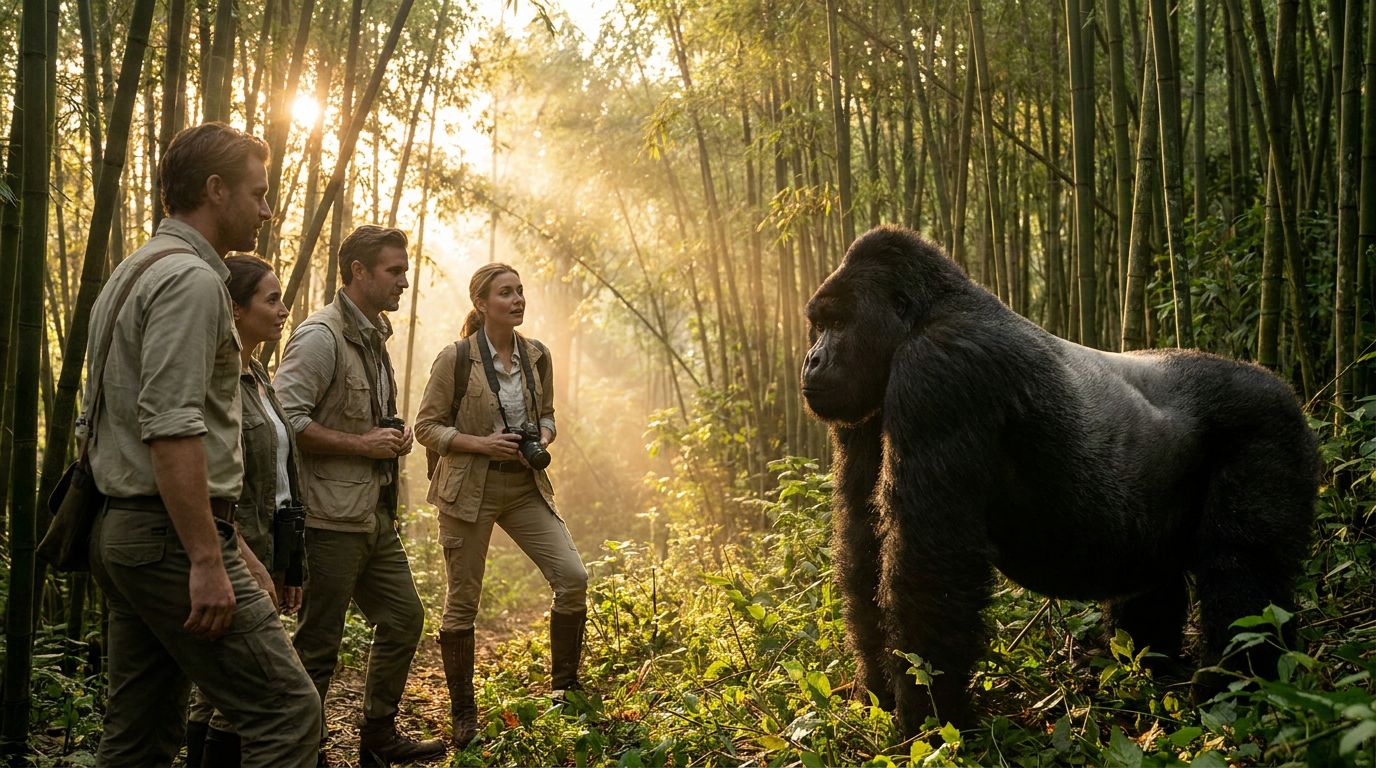
Why Gorilla Trekking is 2026's Must-Do Adventure
Gorilla trekking is 2026's must-do adventure because it offers an unparalleled, intimate encounter with mountain gorillas in their natural habitat, a rarity in today's world of diluted, mass-market tourism. This experience is not only transformative on a personal level but also actively contributes to conservation efforts. In a year marked by a growing demand for authentic and sustainable travel experiences, gorilla trekking tours stand out for their unique combination of adventure, eco-tourism, and meaningful impact.
The allure of gorilla trekking is deeply rooted in its exclusivity and the profound connection it fosters with nature. Unlike conventional wildlife safaris, which often involve observing animals from a distance, gorilla trekking in Uganda and Rwanda places you within a few meters of these majestic creatures. This proximity is not just about ticking off a bucket list item; it's an emotional encounter that transforms your understanding of wildlife and conservation. The availability of permits is intentionally limited, ensuring that the experience remains intimate and the impact on the gorillas' environment is minimal.
Furthermore, 2026 sees an increased interest in eco-tourism, driven by a societal shift towards more responsible travel. Gorilla trekking tours are at the forefront of this movement. By participating in these tours, travelers directly contribute to the protection of endangered mountain gorillas and the preservation of their habitats. Revenues from permits and tours fund crucial conservation projects and support local communities, creating a sustainable model that benefits both wildlife and people.
Moreover, the geopolitical stability and improved infrastructure in Uganda and Rwanda have made these destinations more accessible than ever. With new flights and improved accommodations tailored for adventure travel enthusiasts, the logistical barriers that once deterred travelers are rapidly disappearing. Apps like Gorilla Trekking Africa simplify the planning process, offering curated itineraries that blend gorilla trekking with other wildlife safaris, enhancing the overall travel experience.
In essence, gorilla trekking in 2026 is not just a trip; it's an adventure that aligns with the values of modern travelers seeking authenticity, conservation, and a deeper connection with the world. Whether you're a seasoned adventurer or a family in search of a meaningful vacation, this is the year to embark on a journey that promises to be both unforgettable and impactful.
The Rise in Popularity: Recent Trends
Gorilla trekking tours have surged in popularity, and 2026 is proving to be a landmark year for this adventure travel niche. The allure of coming face-to-face with mountain gorillas in their natural habitat has captivated a growing number of adventure travelers and wildlife enthusiasts. Several factors are driving this trend, reshaping the landscape of eco-tourism and wildlife safaris.
Firstly, the increasing accessibility of gorilla trekking in Uganda and Rwanda has been a game changer. Both countries have invested heavily in infrastructure and conservation efforts, making the experience safer and more organized than ever before. Improved roads, better guides, and enhanced safety protocols mean that more travelers feel confident embarking on these treks. As a result, both Uganda and Rwanda have seen a significant rise in tourist numbers, with Uganda experiencing a 20% increase in visitors to its national parks just in the past year.
Social media has also played a pivotal role in popularizing gorilla trekking. Platforms like Instagram and TikTok are flooded with awe-inspiring images and videos of travelers encountering mountain gorillas. These viral moments not only drive interest but also educate a global audience about the importance of conservation. The visual appeal of these treks, coupled with the profound experience they offer, has cemented their status as a must-do for eco-conscious travelers.
Additionally, the global shift towards sustainable and meaningful travel experiences has contributed to the rise of gorilla trekking. Travelers are increasingly seeking experiences that offer a deeper connection to nature and contribute positively to local communities and conservation efforts. Gorilla trekking tours offer precisely this, providing a unique opportunity to support conservation projects directly through permit fees and local community initiatives.
If you’re considering joining the ranks of those embarking on these unforgettable treks, understanding these trends can be your first step. For more on how to plan your trip, check out our comprehensive guide on Planning Your Gorilla Trekking Tour. The popularity of gorilla trekking is not just a passing fad; it’s a reflection of a broader movement towards responsible and impactful travel.
Top Destinations for Gorilla Trekking
Gorilla trekking tours are not just about the thrill of adventure travel; they are a gateway to some of the most breathtaking landscapes and unique wildlife experiences on the planet. When planning a trip to observe mountain gorillas in their natural habitat, Uganda and Rwanda stand out as premier destinations. Each offers distinct experiences, accommodations, and trekking challenges, making them top choices for both seasoned explorers and first-time adventurers.
Gorilla Trekking in Uganda
Uganda, often referred to as the "Pearl of Africa," is home to the Bwindi Impenetrable National Park, a UNESCO World Heritage site. Bwindi is renowned for its dense forests and diverse ecosystems, hosting nearly half of the world's mountain gorilla population. Trekking here is an immersive experience, often requiring a full day of hiking through rugged terrain and misty jungles. The reward? A once-in-a-lifetime opportunity to observe these majestic creatures up close.
For those considering gorilla trekking in Uganda, the town of Kisoro serves as a popular base, offering a range of accommodations from budget-friendly lodges to luxury retreats. Additionally, Mgahinga Gorilla National Park, though less visited, provides a quieter alternative with similar trekking experiences and the added bonus of seeing golden monkeys.
Gorilla Trekking in Rwanda
Rwanda's Volcanoes National Park offers a contrasting experience. Known for its dramatic volcanic landscapes, this park is easier to access than Bwindi, making it a preferred choice for those with time constraints. The park's well-maintained trails and shorter trekking durations appeal to families and older travelers who might find Uganda's treks more demanding.
Rwanda’s commitment to conservation and eco-tourism is evident in its structured trekking programs and luxury accommodations. The town of Musanze, located nearby, provides a comfortable staging point with numerous high-end lodges. Here, the emphasis is on sustainable tourism, ensuring that visits contribute to local communities and conservation efforts.
Key Considerations
- Permits: Both Uganda and Rwanda require trekking permits, which are essential for managing the number of visitors and supporting conservation efforts. These permits can be costly, often ranging from $700 to $1,500, depending on the country and season.
- Best Time to Visit: The dry seasons, from June to September and December to February, offer the most favorable trekking conditions, with less rain and clearer paths.
- Health and Safety: Trekking in these regions demands a reasonable level of fitness. Visitors should be prepared for high altitudes and varying weather conditions. Vaccinations for yellow fever and other travel-related diseases are also recommended.
Choosing between Uganda and Rwanda for your gorilla trekking tours depends largely on your preferences for terrain, accessibility, and budget. Both offer unparalleled experiences, allowing you to witness the awe-inspiring presence of mountain gorillas while contributing to their preservation.
Planning Your Gorilla Trekking Tour
Embarking on a gorilla trekking tour requires strategic planning to ensure a seamless and rewarding experience. With 2026 seeing an unprecedented surge in adventure travel, particularly in eco-tourism, securing your spot on a trek demands foresight. Here’s a step-by-step guide to planning your journey to see the magnificent mountain gorillas in their natural habitat.
Choose Your Destination
Decide whether you want to experience gorilla trekking in Uganda or Rwanda. Uganda's Bwindi Impenetrable National Park and Rwanda's Volcanoes National Park are prime locations. Each offers unique landscapes and experiences. Uganda often provides a more rugged, off-the-beaten-path adventure, while Rwanda is noted for its well-organized, structured tours. Consider what type of experience aligns with your travel preferences.
Book Your Permits Early
Gorilla trekking permits are limited and can sell out months in advance, especially during peak travel seasons. Uganda offers a more affordable option at $700 per permit, while Rwanda's permits are priced at $1,500. Both countries strictly limit the number of visitors to protect the gorillas and their habitat. Secure your permit as soon as you decide on your travel dates to avoid disappointment.
Plan Your Itinerary
Once you have your permits, design an itinerary that balances trekking with other wildlife safaris or cultural experiences. Many travelers combine gorilla trekking with a safari in Uganda’s Queen Elizabeth National Park or a cultural tour in Rwanda. Allocate at least three to four days to fully enjoy the region and acclimatize to the altitude.
Prepare Physically and Mentally
Gorilla trekking can be physically demanding. Trails can be steep and muddy, requiring a good level of fitness. Start a fitness regimen well in advance to build stamina. Mentally prepare for varied weather conditions and the possibility of trekking for several hours before encountering the gorillas.
Pack the Essentials
Pack light, but ensure you have the essentials: waterproof hiking boots, a rain jacket, insect repellent, and a sturdy walking stick. Binoculars can enhance your experience, allowing you to observe wildlife from a distance. Don’t forget a camera with a good zoom lens to capture those unforgettable moments.
Consider Using a Tour Operator
While independent travel is possible, utilizing a tour operator can streamline the process. Operators like Gorilla Trekking Africa offer comprehensive packages that include permits, transportation, accommodation, and guided tours. This can save you time and ensure you adhere to all necessary regulations and procedures.
By planning your gorilla trekking tour carefully, you’ll be well-equipped to enjoy a once-in-a-lifetime adventure that respects both the environment and local communities.
The Impact of Gorilla Trekking on Conservation
Gorilla trekking tours offer more than just an adrenaline-pumping adventure; they play a pivotal role in the conservation of mountain gorillas and their habitats. These tours have become a significant economic driver for countries like Uganda and Rwanda, where the majority of the world's mountain gorillas reside. The revenue generated from permits and tourism activities directly funds conservation efforts, creating a sustainable model where tourism supports both local economies and wildlife preservation.
In Uganda, gorilla trekking in Bwindi Impenetrable National Park has seen a surge in popularity. This has prompted increased investment in conservation projects, such as anti-poaching patrols and community education programs. The park's management has reported a steady decline in poaching incidents, attributing this success to the funds and awareness generated by trekking activities. Similarly, in Rwanda, the Volcanoes National Park has leveraged gorilla trekking to enhance its conservation strategies, including habitat restoration and research initiatives.
The direct financial benefits to local communities cannot be overstated. A portion of the revenue from gorilla trekking permits is allocated to community development projects. This includes building schools, healthcare facilities, and infrastructure improvements. By providing tangible benefits to local populations, gorilla trekking tours foster a sense of ownership and responsibility towards protecting these endangered animals. This community involvement is crucial, as it transforms potential poachers into active conservation allies.
However, the impact of gorilla trekking on conservation isn't without its challenges. The increase in tourism can strain the delicate ecosystems where mountain gorillas live. To mitigate this, both Uganda and Rwanda enforce strict trekking regulations, such as limiting the number of daily visitors and maintaining a safe distance from the animals. These measures are designed to minimize human impact and ensure that gorilla trekking remains a sustainable practice.
For adventure travelers and wildlife enthusiasts, the appeal of gorilla trekking tours extends beyond the thrill of the experience. By participating, they contribute to the ongoing conservation efforts that are essential for the survival of mountain gorillas. This eco-tourism model not only supports biodiversity but also empowers local communities, creating a win-win scenario for both nature and people.
What to Expect on a Gorilla Trekking Adventure
Embarking on a gorilla trekking adventure is not just another item to tick off your bucket list; it's an immersive experience that connects you intimately with nature. As you navigate through the dense forests of Uganda or Rwanda, you'll encounter a world teeming with life, where the highlight is undoubtedly the chance to observe mountain gorillas in their natural habitat.
The journey begins early in the morning with a briefing from your experienced guide. This session is crucial as it covers safety protocols and what to expect once you're in the forest. Be prepared for a physically demanding trek. Terrain can be challenging, with steep inclines and dense vegetation. However, the reward is worth every step. The moment you first set eyes on a family of gorillas, you’ll understand why this adventure is unparalleled.
A typical trek lasts anywhere from 2 to 6 hours, depending on the location of the gorillas. Guides are experts at tracking and will lead you to the best spots to observe these majestic creatures. When you finally reach the gorillas, you'll spend about an hour in their presence. It's a humbling experience to watch them interact, play, and go about their daily lives. Remember, you're a guest in their home; maintaining a respectful distance is paramount.
Expect to be awestruck by more than just gorillas. The surrounding biodiversity is equally impressive. As you trek, keep an eye out for other wildlife and diverse plant species. This is eco-tourism at its finest, where every step taken supports conservation efforts and local communities.
Packing wisely is essential. Wear comfortable, long-sleeved clothing and sturdy hiking boots. Insect repellent and a rain jacket are must-haves, given the unpredictable forest weather. A good camera or binoculars will help capture the moments you’ll cherish forever.
In terms of physical preparation, moderate fitness levels are required. Training hikes can be beneficial if you're not accustomed to long walks on uneven terrain. Lastly, be prepared for a range of emotions. From excitement to awe, the experience of gorilla trekking is a profound journey into the heart of adventure travel and wildlife conservation.
FAQ
How difficult is gorilla trekking?
Gorilla trekking can be moderately difficult, requiring a reasonable level of fitness due to the rugged terrain and varying altitudes.
What is the best time of year for gorilla trekking?
The best time for gorilla trekking is during the dry seasons, from June to September and December to February, when trails are less muddy.
How much does a gorilla trekking permit cost?
A gorilla trekking permit typically costs between $600 and $1500, depending on the country and specific location.
Is gorilla trekking safe?
Yes, gorilla trekking is generally safe when conducted with experienced guides who follow strict protocols to ensure both visitor and gorilla safety.