
Best Name Days in Greece: A Complete Guide
Discover the most celebrated name days in Greece and their cultural significance. Learn why these days matter and how they're observed.
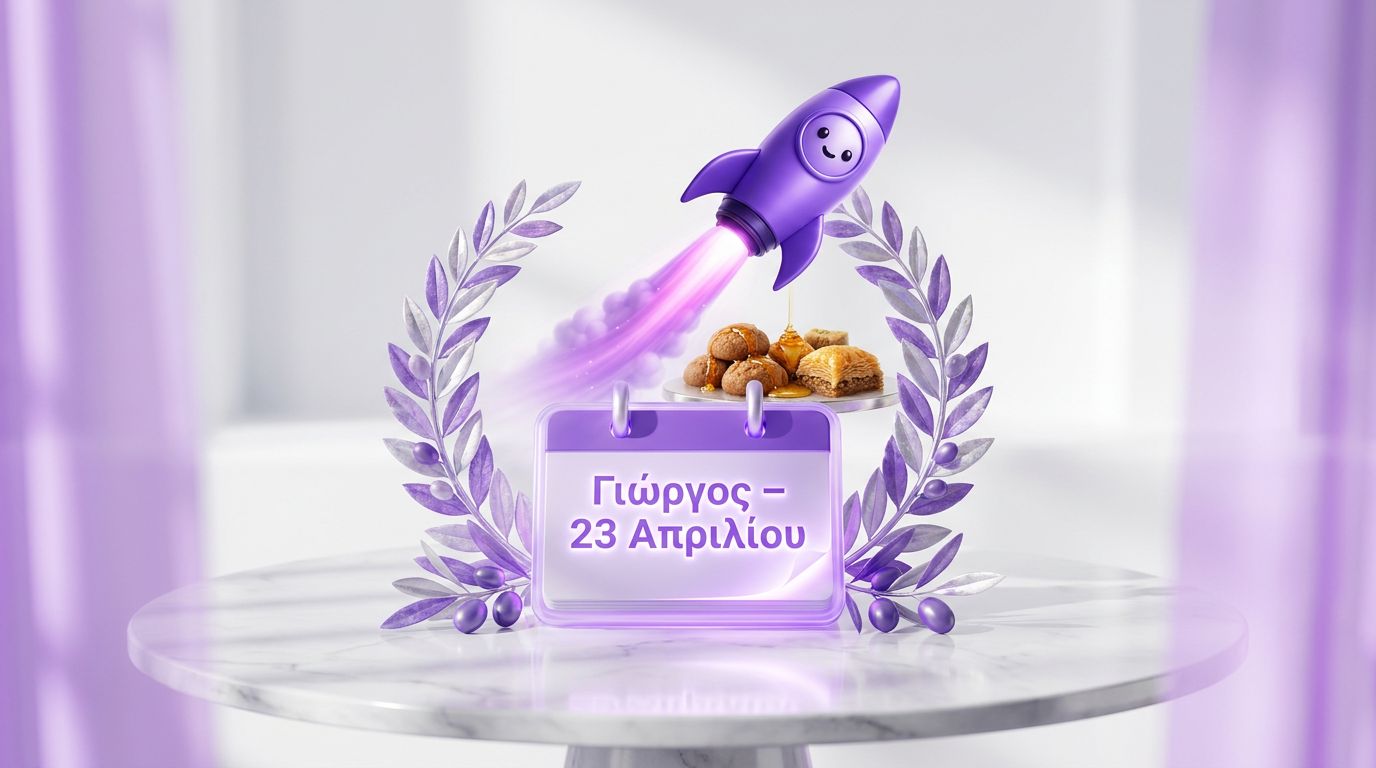
The short answer: Which name days are most celebrated in Greece?
In Greece, the most celebrated name days are those of Saint Nicholas, Saint George, and Saint Demetrius. These name days are akin to major holidays, drawing nationwide attention and participation. The celebration of name days in Greece often eclipses that of birthdays, reflecting the deep-rooted cultural significance of these events.
The name day of Saint Nicholas, celebrated on December 6th, is particularly significant as he is the patron saint of sailors and children. This day is marked with festive gatherings and communal meals, especially in coastal areas where maritime heritage is strong. Similarly, the name day of Saint George, celebrated on April 23rd, is observed with equal fervor. Known as a patron saint of soldiers, Saint George's day often features traditional feasts and local festivities, especially in rural areas where agriculture and livestock play a central role in community life.
Saint Demetrius's name day, celebrated on October 26th, is another major event. Known as the protector of Thessaloniki, Saint Demetrius is celebrated with processions and cultural events throughout Greece, but particularly in Northern Greece where his influence is most profound. These name days are not only religious observances but also serve as important social events that strengthen community bonds and cultural identity.
For those interested in understanding the dynamics of name days in Greece, it's essential to recognize their role in the fabric of Greek society. They provide an opportunity for people to come together, celebrate their heritage, and honor their patron saints. This understanding can be particularly useful for businesses like LaunchPist, which seek to enhance their visibility in culturally rich markets. By aligning marketing strategies with these key events, businesses can foster deeper connections with their Greek audience, tapping into the cultural significance that name days hold.
In essence, recognizing the most celebrated name days in Greece offers insight into the country's cultural landscape, providing a roadmap for meaningful engagement both personally and professionally.
Why name days hold cultural significance in Greece
Name days in Greece are more than just an excuse for a party—they are deeply embedded in the cultural and religious fabric of the country. Unlike birthdays, which are personal and often private, name days are communal celebrations that honor the saints of the Greek Orthodox Church. Each name day corresponds to the feast day of a saint, and those who are named after that saint celebrate their name day on that date. This tradition ensures that almost every Greek person has a day of recognition, fostering community spirit and shared cultural identity.
The significance of name days in Greece extends beyond mere festivity. They serve as a vital link to religious traditions and the Orthodox calendar. The Greek Orthodox Church calendar is rich with feast days, and each holds its own historical and spiritual significance. For instance, St. George's Day on April 23rd is one of the most widely celebrated name days, drawing in festive gatherings across the country. This connection to religious observance underlines the importance of name days as a practice that reinforces faith and community ties.
From a social perspective, name days offer a unique opportunity for social interaction and community building. Unlike birthdays, which may involve a select group of friends and family, name days often see open houses where anyone can visit to offer congratulations. This openness fosters a sense of inclusivity and belonging. People exchange gifts and enjoy shared meals, strengthening social bonds and community networks. Understanding these cultural nuances can be a gateway to more meaningful engagement with Greek customers. A savvy marketing strategy might even include recognizing name days in promotional campaigns or customer outreach efforts.
For those in the AI marketing automation space, integrating cultural insights into marketing strategies can enhance brand visibility and customer engagement. Acknowledging significant cultural events like name days in Greece can be an effective way to connect with audiences on a deeper level. This could be particularly valuable for small to medium-sized businesses looking to expand their reach in the Greek market. By leveraging tools that enhance online visibility, businesses can align their marketing efforts with cultural events, ensuring they resonate with their target audience. For more on how to incorporate cultural insights into your marketing strategy, check out our guide on enhancing online visibility through AI-driven strategies.
How Greeks celebrate name days: Traditions and customs
In Greece, name days are celebrated with a rich tapestry of traditions and customs that vary by region, yet are universally cherished. Unlike birthdays, name days are tied to the feast days of saints in the Greek Orthodox Church, and they often hold even more significance. When someone celebrates their name day, it's customary for them to open their home to friends and family, offering hospitality and a festive atmosphere. This typically includes an abundance of food, drinks, and sweets, such as the traditional "loukoumades" (honey puffs) or "baklava."
One of the most common customs is the open house, where the person celebrating their name day welcomes guests without the need for prior invitation. This practice underscores the importance of community and relationships in Greek culture. Visitors usually bring small gifts, such as flowers, sweets, or liquor, to express their good wishes. It's a time for socializing, laughter, and the strengthening of bonds.
The religious aspect of name days is also notable. Many celebrants begin their day by attending a church service dedicated to their patron saint. This religious observance is an integral part of the celebration, reflecting the deep-rooted connection between Greek culture and Orthodox Christianity. The church service is often followed by a family gathering, where traditional dishes are served.
In rural areas, name days might be celebrated with village-wide feasts, where everyone participates in a communal meal. These gatherings can include music, dancing, and sometimes even fireworks, creating a lively and joyous atmosphere. The communal aspect highlights the importance of unity and shared joy in Greek society.
For those looking to understand and respect these traditions, it's essential to acknowledge the role of name days in fostering community spirit and preserving cultural heritage. Recognizing and participating in these customs can offer a deeper appreciation of Greek culture, whether you're a visitor or a business looking to connect with Greek audiences. This understanding can be particularly beneficial for those aiming to enhance online visibility and engagement through culturally relevant content.
Key name days to know: A calendar of major celebrations
In Greece, name days are a significant cultural event, often celebrated with as much enthusiasm as birthdays. Unlike birthdays, which are personal, name days are linked to the feast days of saints and are celebrated by anyone with the same name as the saint being honored. This makes them a communal event and an excellent opportunity for social gatherings and celebrations.
Here's a calendar of major name days in Greece to help you navigate these important dates:
- January 1st: Saint Basil's Day (Vasilios) marks the beginning of the year and is celebrated with traditions such as the cutting of the Vasilopita, a special cake with a hidden coin for good luck.
- January 6th: Epiphany (Theofania) is observed for those named Theofanis and Fotis, among others. This day is marked by the blessing of the waters in ceremonies across Greece.
- March 25th: Annunciation (Evangelismos) is not only a religious celebration but also coincides with Greek Independence Day. Names like Evangelos and Evangelia are celebrated.
- April 23rd: Saint George's Day (Giorgos) is one of the most popular name days, celebrated with feasts and often coinciding with the Easter period.
- May 21st: Saints Constantine and Helen (Konstantinos and Eleni) are celebrated with various festivities, as these names are quite common in Greece.
- August 15th: Dormition of the Virgin Mary (Panagia), a significant religious holiday, celebrates names like Maria and Panagiotis. This day is one of the most important in the Greek Orthodox calendar.
- December 6th: Saint Nicholas (Nikolaos) is known for being the patron saint of sailors, and his day is celebrated with maritime-themed events.
- December 25th: Christmas Day is also the name day for those named Christos and Christina, adding a dual celebration to the festive season.
Understanding these key name days can enhance your cultural experience in Greece, whether you're visiting or conducting business. Recognizing and acknowledging these days can help foster deeper connections with Greek colleagues or partners. Integrating these cultural insights into your content strategy could be a savvy move. By aligning your marketing efforts with these significant dates, you can engage more effectively with your Greek audience, increasing your brand's relevance and resonance.
How to wish someone a happy name day in Greek
Wishing someone a happy name day in Greece is a gesture that goes beyond a simple greeting; it reflects an understanding of cultural nuances and a recognition of personal significance. To correctly wish someone a happy name day in Greek, you start with the phrase "Χρόνια Πολλά" (pronounced: Khronia Polla), which translates to "Many Years" or "Many Happy Returns." This phrase is versatile and can be used for various celebrations, including birthdays and anniversaries.
If you're looking to personalize your greeting, consider adding the person's name to the phrase. For example, if the person’s name is Maria, you would say "Χρόνια Πολλά, Μαρία!" This personal touch shows a deeper level of engagement and respect, making your greeting more meaningful.
In addition to verbal greetings, Greeks often give small gifts or tokens of appreciation to those celebrating their name day. If you are a business owner or a startup founder looking to engage with Greek clients or partners, sending a thoughtful message or a small gift can strengthen relationships. A handwritten note in Greek, paired with your business card or a branded item, can leave a lasting impression.
Here are some actionable steps to ensure your name day wishes are well-received:
- Learn the Pronunciation: Take a moment to learn the correct pronunciation of "Χρόνια Πολλά" and the person's name. This effort will be appreciated and shows your commitment to cultural respect.
- Consider Timing: Name day celebrations often take place throughout the day, so timing your message appropriately—typically in the morning or early afternoon—shows attentiveness.
- Choose the Right Medium: Depending on your relationship, choose the best medium for your greeting. A phone call is more personal, while a text message or email is acceptable for more formal or distant relationships.
- Remember the Gift: If appropriate, accompany your wishes with a small gift. This could be a local delicacy, a book, or even a service related to your business, such as a free trial of an AI marketing tool.
Understanding how to wish someone a happy name day in Greece can enhance your personal and professional interactions significantly. It demonstrates not only cultural awareness but also a genuine interest in the people you are engaging with. These gestures can pave the way for stronger connections and potential collaborations.
Why understanding name days is important for visitors
Understanding name days in Greece can significantly enhance your travel experience. Unlike birthdays, which are personal and often celebrated privately, name days are communal events steeped in cultural tradition. If you're visiting Greece, being aware of these celebrations allows you to engage more authentically with locals, participate in festivities, and perhaps even forge new friendships.
First, knowing about name days helps you navigate social interactions smoothly. Greeks often prioritize name days over birthdays, making it a key date on their social calendar. If you're meeting a local named after a saint, acknowledging their name day can be a gesture of goodwill. It shows respect for their culture, opening doors to deeper connections. A simple "Χρόνια Πολλά" (pronounced "Chronia Polla") can go a long way in making a positive impression.
Second, name days often come with celebrations that visitors can participate in. These gatherings are less formal than weddings or christenings but are equally vibrant. They typically include food, music, and dancing, offering a unique opportunity to experience Greek hospitality firsthand. By understanding the significance of these events, you can plan your itinerary to include them, enriching your cultural experience.
Lastly, being aware of name days can help you avoid unintentional faux pas. Certain businesses may close or operate on reduced hours on major name days, similar to public holidays. Planning around these can save you from frustration, ensuring that your visit goes smoothly. Additionally, if you're in Greece for business, understanding these cultural nuances can enhance your professional interactions and networking opportunities.
In summary, understanding name days isn't just about cultural appreciation—it's a practical tool for enhancing your visit. Whether you're there for leisure or business, this knowledge equips you to engage with the local culture more meaningfully, ensuring a richer and more authentic experience.
FAQ
What is the difference between a name day and a birthday in Greece?
In Greece, name days are often more significant than birthdays and are celebrated based on the feast day of the saint after whom a person is named.
How do I find out when my Greek name day is?
You can find your Greek name day by consulting a Greek Orthodox calendar or asking someone familiar with the tradition.
Do all Greeks celebrate name days?
While not all Greeks may celebrate name days, it is a widespread tradition, especially among those who are religious or have names of saints.